
 By Emily Parker
Updated November 2026
Compression sleeves for muscle recovery are one of the most common accessories athletes and active adults reach for after hard training, long runs or a day on their feet. The reader’s need is usually simple: find a sleeve that stays in place, applies even pressure and fits the body part that hurts or swells. This list focuses on research-based selection criteria, including manufacturer-stated compression ranges, fabric type, sizing guidance, body area coverage, and patterns in owner feedback about fit and comfort. No product here has been tested by the author.
Our top picks at a glance
- 1
 TOP CHOICEBest overallTommie Copper Arm Compression Sleeve 15-20 mmHgView on Amazon
- 2
 TOP CHOICEBest for calvesBLITZU Calf Compression Sleeves, Footless Compression Socks Men & WomenView on Amazon
- 3
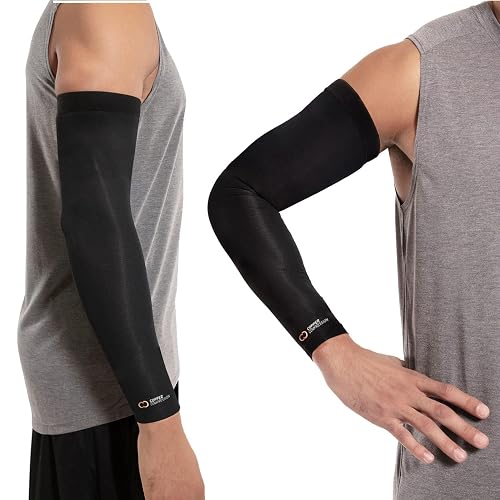 TOP CHOICEBest for forearms and elbowsCopper Compression Arm Sleeve Full Arm BraceView on Amazon
- 4
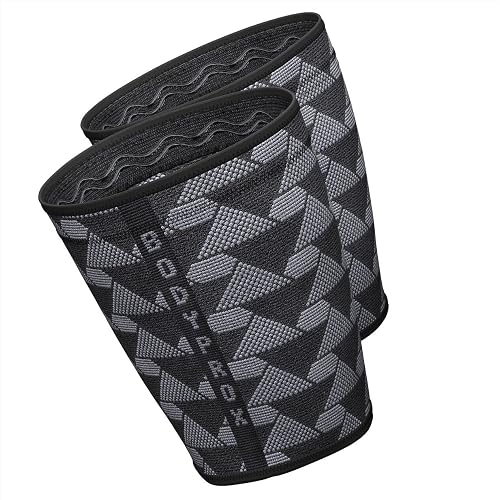 Best for hamstrings and thighsBODYPROX Thigh Compression Sleeve (1 Pair)View on Amazon
- 5
 Best for shin splintsCalf Compression Sleeves for Men & Women, Sports, Running, Shin SplintsView on Amazon
- 6
 Best for a calf strain wrapCalf Brace Compression Sleeve for Torn Calf Muscle (L/XL, Black)View on Amazon
- 7
 Best budget pickFootless Compression Socks Men and Women, 3-Pair Calf SleevesView on Amazon
Our Top Picks
| Product | Best for | Key feature |
|---|---|---|
| Tommie Copper Arm Compression Sleeve | Overall arm use | 15-20 mmHg with copper and zinc infused fabric |
| BLITZU Calf Compression Sleeves | Calves during running and travel | Footless design with graduated compression |
| Copper Compression Arm Sleeve | Forearms and elbows | Copper-infused, odor-resistant full arm coverage |
| BODYPROX Thigh Compression Sleeve | Hamstrings and thighs | Sold as a pair for both legs |
| Calf Compression Sleeves (Sports, Running, Shin Splints) | Shin splint support | Sport-focused fit for men and women |
| Calf Brace Compression Sleeve for Torn Calf Muscle | Calf strain and swelling | Two-layer elastic design, sized L/XL |
| Footless Compression Socks (Leg and Muscle Support) | Everyday wear and travel | Multi-pair value with footless design |
Tommie Copper Arm Compression Sleeve 15-20 mmHg
Tommie Copper Arm Compression Sleeve 15-20 mmHg, 100% Copper & Zinc Infused
Best for: Overall arm use
This sleeve suits people who want firm, graduated pressure on the upper or lower arm during training, repetitive work or recovery from a strain. The listing identifies a 15-20 mmHg compression range, which is a moderate level often used for daily support.
Key specs
- Compression range listed as 15-20 mmHg
- Fabric described as 100% copper and zinc infused
- Designed as an arm compression sleeve
Pros
- Clearly stated compression range makes it easier to compare
- Copper and zinc fabric is a common feature in arm sleeves
- Arm-specific design reduces slipping during movement
Cons
- Moderate compression may feel light for users who want firmer support
- Sizing requires measuring the arm carefully before ordering
Bottom line: A good pick for people who want a well-defined compression level for arm use and are willing to measure before buying.
BLITZU Calf Compression Sleeves, Footless Compression Socks Men & Women
Leg Support Brace, Shin Splint Pain Relief, Reduce Varicose Vein Swelling, Muscle Recovery, Running, Nursing, Fitness, Travel BLITZU Calf Compression Sleeves, Footless Compression Socks Men & Women
Best for: Calves during running and travel
This footless design is aimed at runners, nurses and travelers who spend long periods standing or moving. Owners commonly describe it as easy to pull on under pants and less bulky than full socks.
Key specs
- Footless calf sleeve design for men and women
- Marketed for shin splints, running, nursing and travel
- Calf-focused coverage
Pros
- Footless design allows wear with regular shoes
- Covers the calf and shin area where many runners feel discomfort
- Versatile for both training and daily wear
Cons
- Sleeves can roll down during activity if sized too large
- Compression level is not always stated in the same format as medical-grade products
Bottom line: A practical choice for people who want a calf sleeve they can wear all day, especially runners and frequent travelers.
Copper Compression Arm Sleeve Full Arm Brace
Copper Compression Arm Sleeve – Copper Infused Full Arm Brace for Forearm, Bicep, Triceps – Tennis Elbow, Basketball, Golf, Arthritis, Tendonitis, Bursitis, Post Surgery Rehab – Odor Resistant – Black
Best for: Forearms and elbows
This full arm brace is suited to people dealing with forearm or elbow discomfort from repetitive gripping, racquet sports or golf. The name lists tennis elbow, tendonitis and post-surgery rehab, though a sleeve is a support aid, not a treatment.
Key specs
- Full arm coverage from forearm through bicep and triceps
- Copper-infused fabric
- Listed as odor resistant, color black
Pros
- Full-length coverage supports the whole arm
- Copper-infused fabric is a common feature for this product type
- Useful for a range of sports and daily tasks
Cons
- Full arm coverage can feel warm in hot weather
- Owners with specific injuries should check with a clinician before use
Bottom line: Suitable for people who want full arm coverage for sports or general arm support. Consult a professional for persistent elbow or arm pain.
BODYPROX Thigh Compression Sleeve (1 Pair)
BODYPROX Thigh Compression Sleeve(1 Pair), Hamstring Compression Sleeve for Men and Women
Best for: Hamstrings and thighs
This thigh sleeve is for people who want targeted support for the hamstrings or quads during lifting, sprinting or long sessions on the bike. It is sold as a pair, so both legs can be supported.
Key specs
- Sold as one pair
- Designed for thigh and hamstring coverage
- Unisex fit for men and women
Pros
- Pair packaging suits people who want both legs covered
- Thigh-specific design targets an area many compression products skip
- Works for training and recovery days
Cons
- Thigh sleeves can ride up without a snug fit
- Limited information on compression range in the listing name
Bottom line: A solid pick for anyone who wants thigh or hamstring support in a pair, as long as sizing is measured carefully.
Calf Compression Sleeves for Men & Women, Sports, Running, Shin Splints
Ideal for Sports, Running, Shin Splints & More Calf Compression Sleeves for Men & Women – Sports, Running, Shin Splints
Best for: Shin splint support
This sport-focused calf sleeve is aimed at runners and athletes who want support along the lower leg during impact activities. It suits both men and women.
Key specs
- Calf sleeve designed for sports and running
- Marketed for shin splints
- Unisex sizing for men and women
Pros
- Sport-specific design fits training schedules
- Covers the shin and calf in one piece
- Widely used format for lower-leg support
Cons
- Exact compression rating is not stated in the listing name
- Can feel tight for people with larger calves without careful sizing
Bottom line: Good for runners who want shin and calf support during training. Shin pain that persists should be evaluated by a professional.
Calf Brace Compression Sleeve for Torn Calf Muscle (L/XL, Black)
Calf Brace Compression Sleeve for Torn Calf Muscle fit Men & Women, Innovative 2 Layer Elastic Bandage for Legs adds Extra Pressure for Strain, Swelling, Cramps, Varicose Vein -L/XL (Black)
Best for: Calf strain and swelling
This two-layer elastic calf brace is designed for people managing calf strain, swelling or cramping. Its larger size range makes it a fit for many adults. Recovery from a torn muscle should always be guided by a clinician.
Key specs
- Two-layer elastic design
- Size listed as L/XL
- Color black
Pros
- Two-layer design adds pressure around the calf
- Size range suits many adult calf measurements
- Designed for strain and swelling support
Cons
- Two layers can feel bulky under socks or pants
- Not a substitute for medical assessment of a torn muscle
Bottom line: A practical option for calf support after mild strain, but see a professional for any suspected tear.
Footless Compression Socks Men and Women, 3-Pair Calf Sleeves
Footless Compression Socks Men and Women, Leg & Muscle Support, Reduce Swelling, Pain, Fast Recovery for Travel, Fitness L-XL BLITZU Calf Compression Sleeves, 3 Pairs, Shin Splint Relief Running Socks
Best for: Budget multi-pair use
This multi-pair footless set is a value-oriented choice for people who want several sleeves for training, work and travel. Buying in a set can make it easy to rotate them between washes.
Key specs
- Footless design for men and women
- Multi-pair pack
- Marketed for leg support, swelling and travel
Pros
- Multiple pairs allow rotation between washes
- Footless design works with regular shoes
- Suitable for everyday and travel use
Cons
- Compression level is not clearly stated in the listing name
- Sizing consistency can vary across pairs in a set
Bottom line: A sensible pick for people who want several sleeves at once for regular use, especially if they plan to rotate them.
Buying Guide
Compression level (mmHg)
Compression is usually measured in millimeters of mercury (mmHg). Many consumer sleeves fall in the light to moderate range, often described as roughly 15-20 mmHg. Higher levels are typically prescribed for medical conditions. Pick the lowest level that gives the support you want, and check with a clinician if you have circulation concerns.
Good picks for this: Tommie Copper Arm Compression Sleeve, Calf Brace Compression Sleeve for Torn Calf Muscle
Body area and coverage
Match the sleeve to the muscle or joint you want supported. Calf sleeves cover the lower leg, thigh sleeves cover the hamstrings or quads, and arm sleeves cover the forearm, elbow or bicep. Full-length coverage gives broader support, while shorter sleeves are easier to wear under clothing.
Good picks for this: BODYPROX Thigh Compression Sleeve, Copper Compression Arm Sleeve Full Arm Brace
Size and fit
Measure the widest part of the target area and compare it with the manufacturer’s size chart. Sleeves that are too loose slip and lose pressure; sleeves that are too tight can cause discomfort or numbness. If the measurement falls between sizes, follow the brand’s guidance rather than guessing.
Good picks for this: BLITZU Calf Compression Sleeves, Calf Compression Sleeves for Men & Women
Fabric and breathability
Most sleeves use blends of nylon, spandex or polyester. Copper-infused and zinc-infused fabrics are marketed for odor control and comfort, though the evidence on their specific benefits is limited. Breathable knits matter more for long sessions in warm weather.
Good picks for this: Copper Compression Arm Sleeve Full Arm Brace, Tommie Copper Arm Compression Sleeve 15-20 mmHg
Intended use case
Running, lifting, travel and recovery days place different demands on a sleeve. Runners often want footless calf sleeves that stay put. People sitting for long periods may prefer a comfortable everyday sock-style design. Choose based on the activity you do most often.
Good picks for this: Footless Compression Socks Men and Women, Calf Compression Sleeves for Men & Women
Durability and washing
Compression fabric loses elasticity over time, especially when washed in hot water or dried on high heat. Most manufacturers recommend gentle washing and air drying. Rotating two pairs helps extend the life of each sleeve.
Good picks for this: Footless Compression Socks Men and Women, BLITZU Calf Compression Sleeves
Support for specific issues
Sleeves can provide warmth, light support and a reminder to limit movement, but they do not heal tissue. If you have swelling, numbness, color change or pain that worsens, stop wearing the sleeve and consult a professional.
Good picks for this: Calf Brace Compression Sleeve for Torn Calf Muscle, Copper Compression Arm Sleeve Full Arm Brace
FAQ
Do compression sleeves speed up muscle recovery?
Research on compression garments shows mixed results. Some studies report reduced perceived soreness and modest effects on markers of recovery, while others find little difference. Sleeves may feel helpful, but they should be viewed as one part of a recovery routine that also includes sleep, nutrition and gradual training load.
How long should I wear compression sleeves?
Many people wear them during training, during travel or for a few hours after activity. Wearing them for long stretches should follow the manufacturer’s instructions. If the sleeve causes numbness, tingling or discoloration, remove it and speak with a clinician.
Can I sleep in compression sleeves?
Most brands advise against sleeping in compression sleeves unless a clinician has directed it. Sleeping in them can restrict circulation and cause discomfort. Check the product instructions and consult a professional if unsure.
How do I know what size to buy?
Measure the widest part of the target muscle and compare it to the brand’s size chart. Measure in the morning when swelling is typically lower, and avoid guessing between sizes. Good fit matters more than the size name.
What is the difference between compression sleeves and socks?
Sleeves cover a body part without a foot or hand section, which makes them easier to wear with shoes and gloves. Socks cover the foot as well and often hold the sleeve in place. Both can provide graduated pressure when sized correctly.
Are copper-infused sleeves better than standard ones?
Copper-infused fabrics are widely marketed, but the evidence that copper improves recovery is limited. Their main documented benefit is odor resistance in some products. Compression level and fit are more important than the fabric treatment.
When should I see a doctor instead of using a sleeve?
See a professional for sudden severe pain, suspected muscle tears, swelling that does not improve, numbness, or signs of poor circulation. A clinician can recommend appropriate care and tell you whether a sleeve is suitable.
Conclusion
For a balanced all-round arm option, the Tommie Copper Arm Compression Sleeve suits people who want a clearly stated compression range. Runners dealing with lower-leg discomfort may prefer the BLITZU footless calf sleeves or the sport-focused calf sleeve. Forearm and elbow users can consider the full arm brace, while thigh support is covered by the BODYPROX pair. The calf strain brace suits L/XL users, and the multi-pair footless set offers rotation for regular wear. Choose based on the body area, fit and compression level you need, and consult a professional for injuries or persistent pain.
Sources
- Research summaries on compression garments and exercise recovery, including study designs and outcomes (nih.gov)
- Consumer guidance on medical compression products and how they are classified and labeled (fda.gov)
- Position and educational resources on sports injury prevention and athletic support equipment
Related reading
- Top 5 Infrared Saunas for Muscle Recovery Picks Compared (2026)
- The Role of Meal Timing in Muscle Recovery After Workouts
- TENS Machine Muscle Recovery: A Practical Guide to Using It (2026)
- Supplement for Muscle Recovery: What Research Supports (2026)
About Emily Parker
Emily Parker is part of our editorial team and reviews and edits our fitness science explainers guides, checking product details against manufacturer specifications and owner feedback.





