Quick answer
Our overall pick is the Google Fitbit Charge 6 for its integrated Google services and extensive built-in tracking. The Google Fitbit Air is best for those who prefer a discreet, screenless design, while the Moremore and YourHealthPartner trackers offer straightforward health monitoring and no-app convenience, respectively.
Finding the best fitness tracker can feel overwhelming with so many options promising to monitor your health and activity. The right device depends on what you want to track and how you prefer to interact with your data. We looked at manufacturer specifications to compare features like heart rate monitoring, battery life, and connectivity to help you make an informed choice.
Whether you want deep integration with your phone’s apps, a simple device that works independently, or a tracker that focuses on comfort without a screen, there’s likely an option for you. Remember, the data from these devices can help you understand trends in your heart rate and calorie burn, but they are tools to inform your overall wellness journey.
Our picks at a glance

Pros
- Screenless, discreet design for all-day wear.
- Water resistant up to 50 meters.
- Battery lasts up to a week with fast charging.
- Includes a trial for adaptive coaching via Google Health Premium.
Cons
- The listing does not mention a built-in GPS.
- Requires a smartphone for GPS and notifications.
- Premium features require a separate subscription.

Pros
- Tracks heart rate, blood pressure, and blood oxygen.
- AMOLED color touchscreen with customizable watch faces.
- Supports 25 different sports modes.
- Battery lasts up to 7 days with regular use.
Cons
- The listing does not mention built-in GPS.
- Water resistance level is listed only as 'Waterproof' without a specific rating.
- Requires a smartphone app for full functionality.
Pros
- Operates without a mandatory smartphone app.
- IP68 waterproof rating for sweat and rain.
- Shows notifications when connected via Bluetooth.
- Includes a 1-year warranty.
Cons
- The listing does not mention blood oxygen or blood pressure monitoring.
- Battery life is shorter than some other models.
- Not compatible with tablets.
Pros
- Built-in GPS for location tracking without a phone.
- Integrates Google Maps and Google Wallet.
- Tracks over 40 exercise modes and provides a sleep score.
- Can connect to compatible gym equipment.
Cons
- Premium features require a separate subscription.
- The listing does not specify the exact battery life.
- More features may mean a steeper learning curve.
How we chose
Our picks come from comparing manufacturer listings and specifications on Amazon as of October 2026. We did not test or use any of these products hands-on. We focused on the features and specs each company provides, looking at key criteria like health metrics tracked, connectivity, battery life, and design to see which devices suit different needs.
Best Fitness Trackers: our picks in detail
1. Best overall: Google Fitbit Air
The Google Fitbit Air is a screenless activity tracker designed for comfort and continuous wear. It uses advanced sensors and algorithms for 24/7 health tracking and is water resistant up to 50 meters. Its lightweight, micro-adjustable band is designed to be worn through work, sleep, and workouts.
The tracker connects to your smartphone via Bluetooth and uses GPS from your phone for location data. It features a long battery life of up to a week and supports fast charging. The listing mentions a Google Health Premium subscription, which offers personalized coaching, with a trial included.
Best for: Those seeking a comfortable, screen-free tracker with adaptive health coaching.
Pros
- Screenless, discreet design for all-day wear.
- Water resistant up to 50 meters.
- Battery lasts up to a week with fast charging.
- Includes a trial for adaptive coaching via Google Health Premium.
Cons
- The listing does not mention a built-in GPS.
- Requires a smartphone for GPS and notifications.
- Premium features require a separate subscription.
2. Best for comprehensive health metrics: Moremore Fitness Tracker
The Moremore Fitness Tracker is a smartwatch with a 1.1″ AMOLED touch color screen that tracks heart rate, blood pressure, and blood oxygen throughout the day. It automatically analyzes sleep quality and supports 25 different sports modes, which you can customize in the companion app.
It provides smart notifications for calls and apps, along with reminders for inactivity and hydration. The device is listed as waterproof, uses magnetic fast charging, and offers up to 7 days of regular use on a charge. It connects to smartphones via Bluetooth.
Best for: Users who want a color-screen watch tracking a wide array of health metrics.
Pros
- Tracks heart rate, blood pressure, and blood oxygen.
- AMOLED color touchscreen with customizable watch faces.
- Supports 25 different sports modes.
- Battery lasts up to 7 days with regular use.
Cons
- The listing does not mention built-in GPS.
- Water resistance level is listed only as ‘Waterproof’ without a specific rating.
- Requires a smartphone app for full functionality.
3. Best for no-app simplicity: YourHealthPartner Fitness Tracker
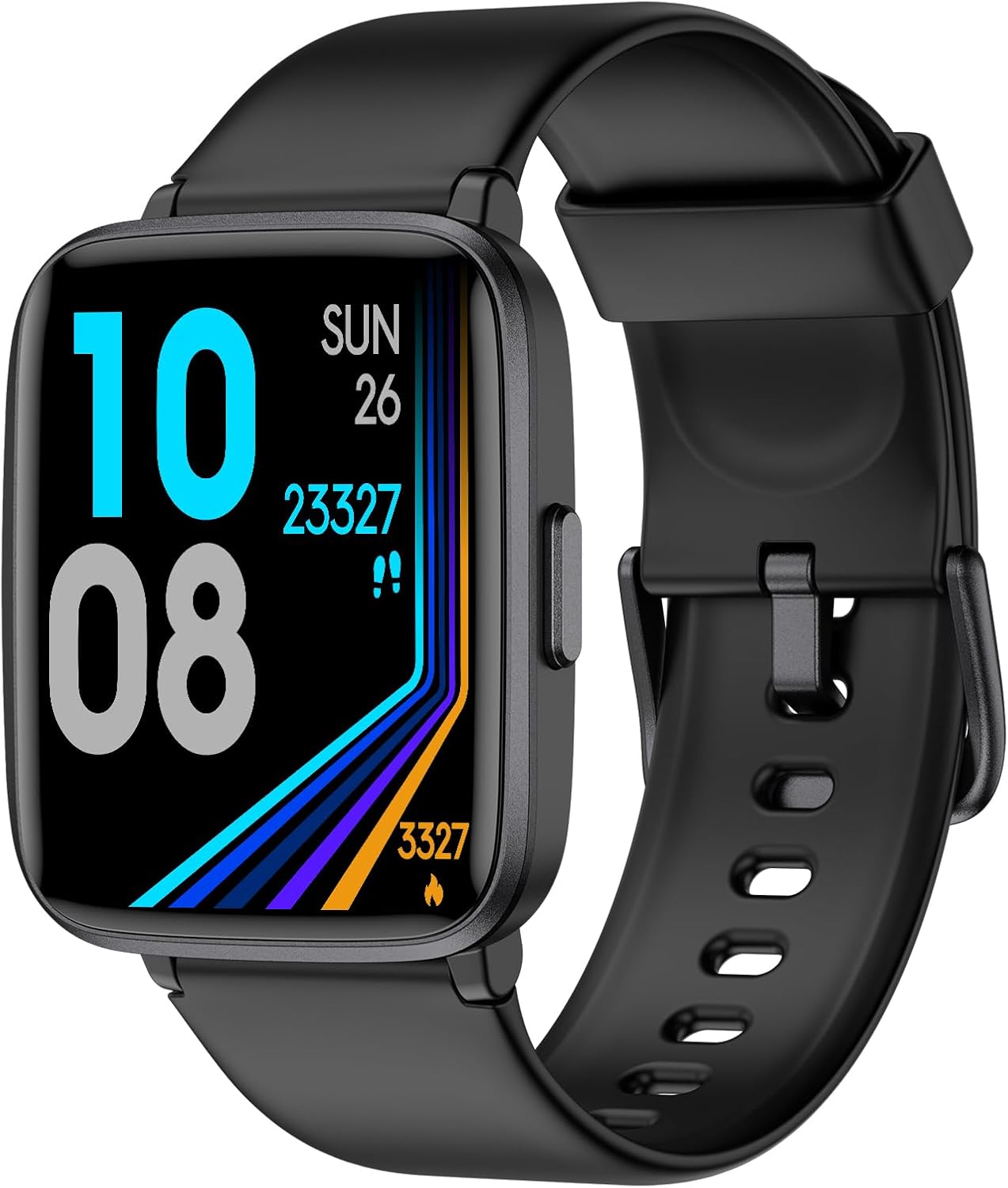
The YourHealthPartner Fitness Tracker Watch is designed to work without needing a smartphone app or connection for basic tracking. It monitors heart rate and sleep automatically, and features 9 sport modes for activity tracking. It displays steps, calories, and distance directly on the device.
It can receive smart notifications for calls and messages when connected via Bluetooth and has an IP68 waterproof rating. The battery lasts 5-7 days on a charge. The listing notes it comes with a 1-year warranty and is not compatible with tablets.
Best for: Anyone who wants a straightforward fitness tracker without mandatory app setup.
Pros
- Operates without a mandatory smartphone app.
- IP68 waterproof rating for sweat and rain.
- Shows notifications when connected via Bluetooth.
- Includes a 1-year warranty.
Cons
- The listing does not mention blood oxygen or blood pressure monitoring.
- Battery life is shorter than some other models.
- Not compatible with tablets.
4. Best for Google ecosystem integration: Google Fitbit Charge 6
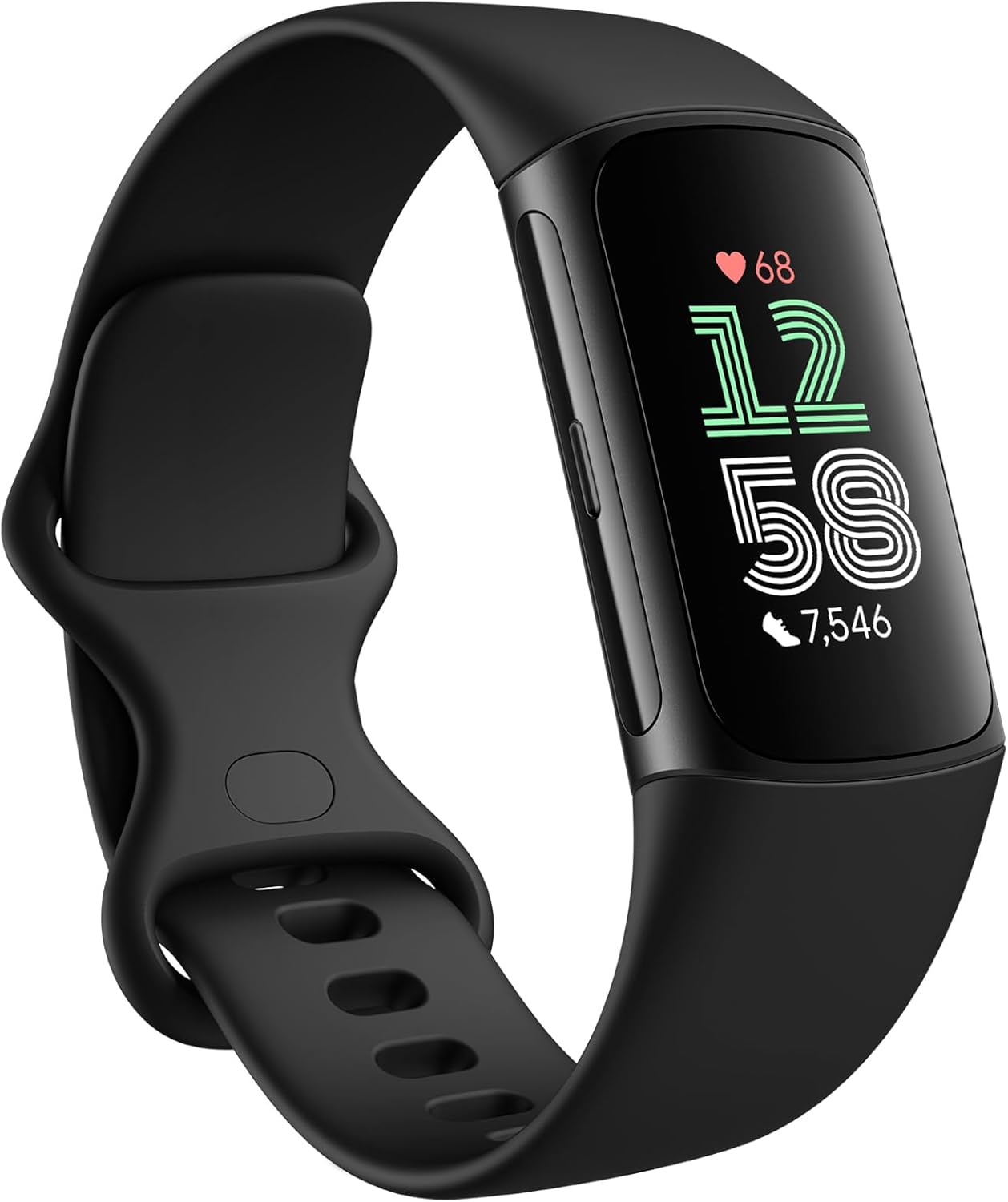
The Google Fitbit Charge 6 is a full-featured fitness tracker with a touchscreen and built-in GPS. It tracks over 40 exercise modes, 24/7 heart rate, sleep, and stress. It integrates with Google services, offering turn-by-turn directions from Google Maps and tap-to-pay via Google Wallet.
The device is water resistant and can connect to compatible exercise machines to display heart rate. It also supports YouTube Music controls. Like the Fitbit Air, it includes a trial for the Google Health Premium subscription for personalized coaching.
Best for: Active users deeply integrated into the Google ecosystem who want built-in GPS.
Pros
- Built-in GPS for location tracking without a phone.
- Integrates Google Maps and Google Wallet.
- Tracks over 40 exercise modes and provides a sleep score.
- Can connect to compatible gym equipment.
Cons
- Premium features require a separate subscription.
- The listing does not specify the exact battery life.
- More features may mean a steeper learning curve.
Fitness trackers at a glance
| Tracker | Key Health Metrics | Built-in GPS | Battery Life (Manufacturer Claim) | Screen |
|---|---|---|---|---|
| Google Fitbit Air | Heart rate, sleep | No | Up to 7 days | No screen |
| Moremore Fitness Tracker | Heart rate, blood pressure, blood oxygen, sleep | Not listed | Up to 7 days | 1.1″ AMOLED color |
| YourHealthPartner Fitness Tracker | Heart rate, sleep | No | 5-7 days | Not listed |
| Google Fitbit Charge 6 | Heart rate, sleep, stress, SpO2 | Yes | Not listed | Touchscreen |
How to choose a fitness tracker
Your choice in a fitness tracker should align with your primary health and activity goals. If your main focus is on daily step counts, heart rate trends during walks, and basic sleep patterns, a simpler device may suffice. For more detailed training, like tracking specific running routes or monitoring workout intensity with heart rate zones, a tracker with built-in GPS and more sport modes becomes valuable.
Consider how you want to interact with the device. A screenless band is less distracting, while a color touchscreen can display more data and notifications at a glance. Also, think about battery life and how often you’re willing to charge it; some last a week, while others may need more frequent charging, especially with features like always-on display or GPS use.
What to look for
- Tracking Priorities: Identify if you need basic activity tracking, heart rate monitoring, sleep analysis, or specific metrics like blood oxygen.
- Connectivity: Decide if you need built-in GPS for independent location tracking or if smartphone GPS is sufficient.
- Design & Wearability: Choose between a watch-style screen, a discreet band, or a screenless design based on your comfort and style.
- Ecosystem: Check if integration with other apps or services (like Google Maps or payment systems) is important to you.
Always remember that a fitness tracker is a tool to support your wellness. The data can help you see patterns and stay motivated as part of a balanced approach to fitness and health. For guidance on how much activity is beneficial, you can refer to resources like the Physical Activity Guidelines for Americans.
FAQ
How accurate are fitness tracker heart rate readings?
Fitness trackers use optical sensors to estimate heart rate, which can be influenced by fit, skin tone, and motion. For general wellness trending, they are useful, but they may not be as accurate as medical-grade chest straps, especially during high-intensity interval training. For more details, see our article on how fitness trackers measure heart rate.
Do I need a smartphone to use a fitness tracker?
It depends on the model. Some trackers, like the YourHealthPartner model listed, can display basic data without a phone. However, most require a Bluetooth connection to a smartphone to sync detailed data, receive notifications, update firmware, or access the full feature set of a companion app.
What does ‘water resistant’ mean for a fitness tracker?
Water resistance ratings indicate the level of protection. A rating of 50 meters, like on the Fitbit Air, typically means it’s safe for swimming. An IP68 rating, like on the YourHealthPartner tracker, means it’s protected against dust and sustained immersion in water. Always check the manufacturer’s manual for specific limits on water exposure and to understand if it’s safe for swimming or just hand-washing.
Are subscription services for fitness trackers worth it?
Some trackers, like the Fitbit models, offer premium subscriptions that provide deeper analytics, personalized coaching, and advanced features. Whether it’s worth it depends on your goals. You can often use the core tracking features without a subscription, so you might try the device first and see if the free insights meet your needs before committing to a paid plan.
References
- Amazon product listings and manufacturer specifications (accessed October 2026)
- Physical Activity Guidelines for Americans
- American College of Sports Medicine (ACSM)
- Fitness Tracking Devices