Quick answer
To engage your lats in rows and pull-ups, focus on initiating the pull by depressing and retracting your shoulder blades, then driving your elbows down and back. Visualizing pulling your elbows to your back pockets or squeezing an orange in your armpit can help create the mind-muscle connection for better lat activation.
When we talk about building a strong, powerful back, the conversation inevitably turns to the latissimus dorsi—the large, wing-like muscles that are central to pulling strength. Yet, many lifters struggle with true lat activation in rows and pull-ups, feeling the movement more in their arms or upper traps. Mastering this connection is less about brute force and more about understanding the subtle mechanics of the shoulder blade. This article will break down the role of the lats, provide clear cues for scapular movement, and offer practical tips to ensure you’re effectively engaging the target muscles every time you pull.
The Role of the Latissimus Dorsi in Pulling
The latissimus dorsi is a broad, flat muscle that originates from your lower spine, pelvis, and ribs and inserts on the upper part of your arm bone. Its primary actions are shoulder extension (pulling your arm down from an overhead position), adduction (pulling your arm toward your body), and internal rotation. Crucially, it also assists in the depression and downward rotation of the scapula (shoulder blade). In a pull-up or row, the lats are the prime movers for bringing your torso toward your arms or the weight toward your torso. When they fire correctly, they create a stable, powerful base for the movement, protecting your shoulders and allowing you to lift more weight effectively. For a foundational look at all pulling movements, our guide to Pulling Mechanics provides a broader context.
Scapular Movement: The Foundation of Lat Engagement
You cannot effectively engage your lats if your shoulder blades are not moving properly. The scapula must glide freely on your ribcage. For lat activation in rows and pull-ups, two specific motions are essential:
- Depression: Pulling your shoulder blades down your back, away from your ears. This is the starting action in a pull-up.
- Retraction: Squeezing your shoulder blades together toward your spine. This is the dominant action in a rowing movement.
A common mistake is to initiate the pull with the arms, letting the shoulders hike up toward the ears. This shuts off the lats and overworks the smaller muscles of the neck and upper back. Instead, think of your arms as hooks; the power should come from the back muscles moving the shoulder blades first. A good practice is to perform scapular pull-ups and scapular rows with no arm bend, focusing solely on moving the shoulder blades through their full range. This builds the neuromuscular control needed for full lat engagement.
Cues for Better Lat Activation in Rows and Pull-Ups
Mental cues can bridge the gap between knowing what to do and physically doing it. Here are some of the most effective cues for feeling your lats work.
For Pull-Ups and Lat Pulldowns
- “Pull your elbows down to your back pockets.” This cue encourages shoulder extension and depression, directly engaging the lats.
- “Bend the bar” or “snap the bar in half.” On a lat pulldown, imagine pulling the bar apart. This externally rotates the shoulders slightly, creating a more stable position and enhancing lat recruitment.
- “Lead with your chest.” As you pull yourself up or pull the bar down, think of driving your sternum toward the bar. This naturally puts your torso in a slightly arched position, which optimizes the line of pull for the lats.
For Rows (Barbell, Dumbbell, Cable)
- “Pull with your elbows, not your hands.” Focus on driving your elbows back behind you. Your hands are just there to hold the weight.
- “Squeeze an orange in your armpit.” This creates a sensation of engaging the lat from its insertion point near the armpit.
- “Pinch a pencil between your shoulder blades.” At the top of the row, focus on a strong, deliberate squeeze of the scapulae to maximize mid-back and lat contraction.
Safety
If you experience sharp pain in the shoulder, neck, or lower back during pulling exercises, stop immediately. Ensure you are not using momentum or excessive weight that compromises your form. Proper technique, as outlined by organizations like the American College of Sports Medicine, is paramount for safety. If pain persists, consult a healthcare or fitness professional.
Common Form Errors That Kill Lat Engagement
| Error | Why It Happens | How to Fix It |
|---|---|---|
| Shrugging at the Start | Initiating the pull with the arms/traps instead of the lats and scapula. | Before you bend your arms, consciously pull your shoulders down and back. |
| Over-gripping the Bar | Squeezing the bar too tightly with the hands and forearms. | Hold the bar firmly but don’t crush it; some lifters find a thumbless grip helps reduce arm dominance. |
| Excessive Momentum | Kipping or using body swing to complete reps, especially on pull-ups. | Perform strict reps, pausing at the top and bottom. Reduce weight if necessary. |
| Rounded Upper Back | Poor thoracic spine posture prevents proper scapular retraction. | Set your spine in a neutral, braced position before pulling. Think “chest proud.” |
Many of these form principles are part of a larger framework of good lifting technique. For more on this, see our article on Squat, Hinge, Press and Pull: Technique Fundamentals.
Practical Drills to Improve Mind-Muscle Connection
If cues aren’t enough, specific drills can help you isolate and feel the lats.
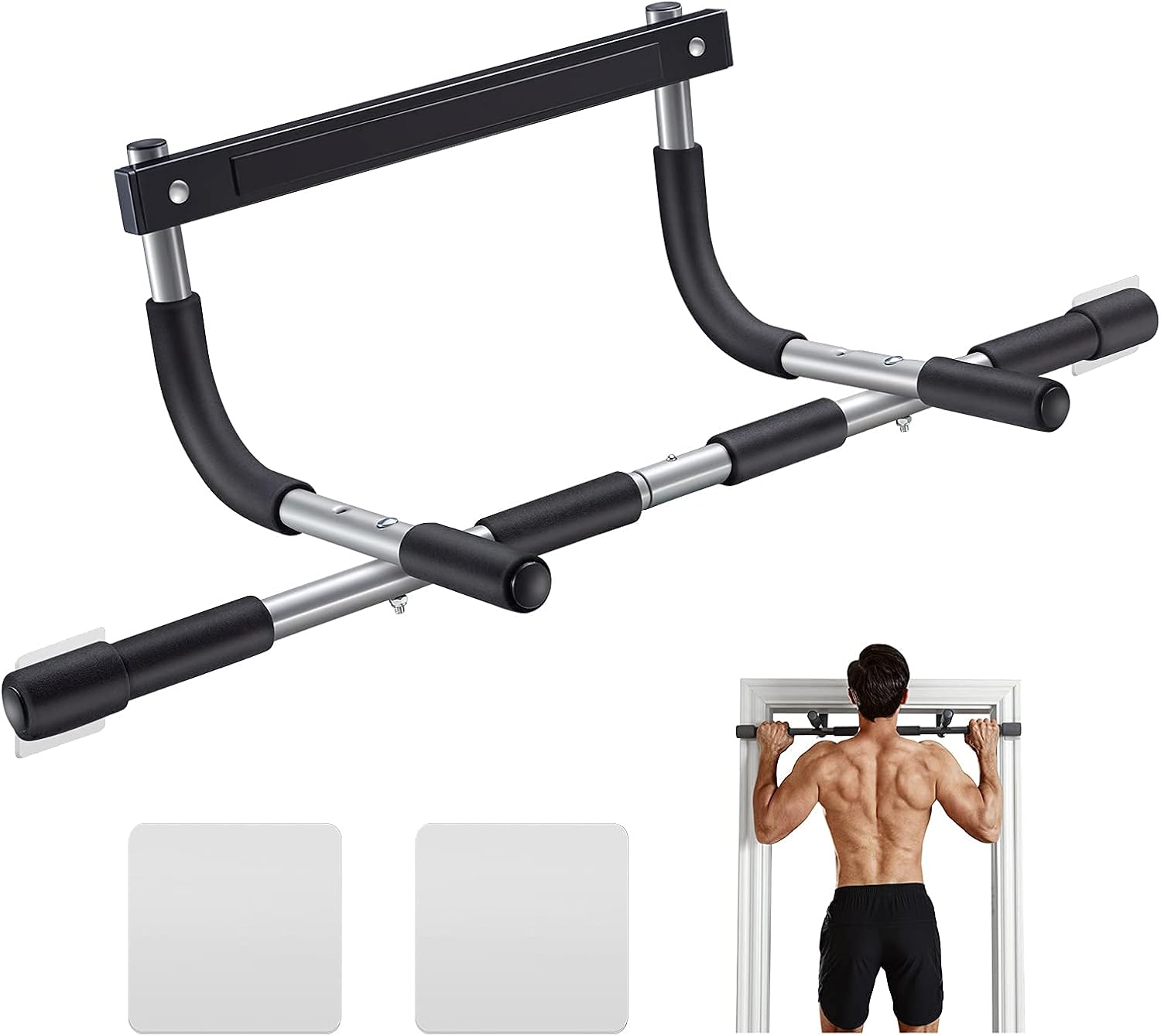
- Scapular Hang & Pull-Ups: Hang from a pull-up bar. Without bending your elbows, pull your shoulder blades down and together, then release. This teaches depression/retraction control.
- Straight-Arm Pulldown: Using a cable machine with a straight bar, hinge slightly at the hips. With straight arms, pull the bar down to your thighs by only moving at the shoulder, focusing on squeezing your lats. This isolates the lat function of shoulder extension.
- Single-Arm Dumbbell Row with Focus: Perform a row with one arm. Place your opposite hand on the working-side lat. Concentrate on feeling the muscle contract under your hand as you pull the weight.
Integrating these drills into your warm-up can prime your nervous system for better lat activation in your main working sets. Building this skill is a core part of intelligent Strength Training.
FAQ
Why do I only feel rows in my biceps?
This is almost always a grip and initiation issue. You are likely pulling with your arms first. Focus on the cue “elbows back” and imagine your hands are merely hooks. Also, ensure you’re not using a weight that’s too heavy, forcing your arms to take over. A slightly lighter weight with perfect form will build more lat muscle in the long run.
Should my shoulders be down and back for the entire pull-up?
Yes, maintaining scapular depression and a small degree of retraction is the goal. At the very bottom of the hang, your shoulders will be slightly elevated, but you should initiate the pull by actively pulling them down before you bend your elbows. At the top, you should feel a strong contraction in your lower lats, not a shrug in your neck.
How does grip width affect lat activation?
Grip width changes the emphasis. A wider grip on pull-ups or pulldowns places more stretch and emphasis on the outer lats. A closer, neutral (palms-facing) grip often allows for a greater range of motion and can feel more natural for the shoulders, potentially increasing overall lat engagement for some individuals. Experiment to find what allows you to feel the contraction best, while prioritizing shoulder comfort. The principles of joint positioning are similar across lifts, as discussed in our article on Shoulder Mechanics and Elbow Path in the Bench Press.
Is arching my back during a pull-up okay?
A slight, controlled arch (thoracic extension) is not only okay but beneficial for lat activation. It helps position your chest toward the bar and creates a more biomechanically efficient line of pull for the lats. Avoid an extreme arch that compresses the lower back; think of a proud chest, not a contorted spine.
References
- American College of Sports Medicine (ACSM): Exercise technique and safety guidelines. https://acsm.org/
- U.S. Physical Activity Guidelines for Americans: Foundational recommendations for muscle-strengthening activity. https://odphp.health.gov/our-work/nutrition-physical-activity/physical-activity-guidelines
- Manufacturer manuals and specification sheets for exercise equipment.