
 By Miles Sinclair
Updated November 2026
Hemp protein powder is a popular plant-based option, but protein in hemp protein powder varies more than many shoppers expect. Some products deliver only a modest amount of protein per scoop, while others add fiber, fats or flavorings that change the nutrition profile. This guide compares six widely sold options using label-level criteria: grams of protein per serving, fiber content, ingredient simplicity, processing method and how well each product matches common uses such as smoothies, baking or daily shakes.
Our top picks at a glance
- 1
 TOP CHOICEBest overallAnthony's Organic Hemp Seed Protein Powder, 1 lb, Cold PressedView on Amazon
- 2
 TOP CHOICEBest for unflavored budget use365 by Whole Foods Market, Organic Hemp Protein Powder Unflavored, 16 ozView on Amazon
- 3
 TOP CHOICEBest for added fiberJust Hemp Foods Hemp Protein Powder Plus Fiber, 16 ozView on Amazon
- 4
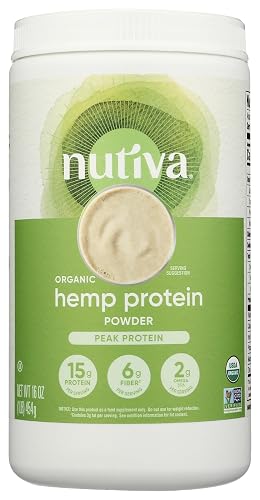 Best for certified organic sourcingNutiva Organic Cold-Pressed Raw Hemp Seed Protein Powder, Peak Protein, 16 ozView on Amazon
- 5
 Best for higher protein per servingManitoba Harvest Organic Max Protein Powder, Unsweetened, 16 ozView on Amazon
- 6
 Best for a simple pantry stapleBob's Red Mill Hemp Protein Powder, 16 oz (Pack of 4)View on Amazon
Our Top Picks
| Product | Best for | Key feature |
|---|---|---|
| Anthony’s Organic Hemp Seed Protein Powder | Overall use | Cold pressed, fine powder |
| 365 by Whole Foods Market Organic Hemp Protein Powder | Unflavored budget use | Unflavored organic blend |
| Just Hemp Foods Hemp Protein Powder Plus Fiber | Added fiber | 11 g protein, 11 g fiber |
| Nutiva Organic Cold-Pressed Raw Hemp Seed Protein Powder | Certified organic sourcing | USDA Organic, keto-friendly |
| Manitoba Harvest Organic Max Protein Powder | Higher protein per serving | 20 g protein per 32 g serving |
| Bob’s Red Mill Hemp Protein Powder | Simple pantry staple | Kosher, paleo-friendly |
Anthony’s Organic Hemp Seed Protein Powder, 1 lb, Cold Pressed
Anthony's Organic Hemp Seed Protein Powder, 1 lb, Cold Pressed, Gluten Free, Non GMO, Fine Powder
Best for: Overall use in smoothies and baking.
This suits people who want a fine, mixable hemp powder with a gluten-free, non-GMO label and a cold-pressed process.
Pros:
- Fine texture blends easily into liquids
- Gluten-free and non-GMO labeling
Cons:
- Protein per serving is lower than some higher-protein blends
365 by Whole Foods Market, Organic Hemp Protein Powder Unflavored, 16 oz
365 by Whole Foods Market, Organic Hemp Protein Powder Unflavored, 16 oz
Best for: Unflavored budget use.
This works for shoppers who want a plain organic hemp powder to add to cooking, oats or savory recipes without added sweeteners.
Pros:
- Unflavored, so it adapts to many recipes
- Organic-certified formulation
Cons:
- Plain taste may need other ingredients to mask earthiness
Just Hemp Foods Hemp Protein Powder Plus Fiber, 16 oz
Just Hemp Foods Hemp Protein Powder Plus Fiber, Non-GMO Verified with 11g of Protein & 11g of Fiber per Serving, 16 oz – Packaging May Vary
Best for: Added fiber alongside protein.
Manufacturers specify 11 g of protein and 11 g of fiber per serving, which suits people who want a more filling shake.
Pros:
- 11 g protein and 11 g fiber per serving, per the label
- Non-GMO Verified
Cons:
- High fiber may feel heavy for people not used to it
Nutiva Organic Cold-Pressed Raw Hemp Seed Protein Powder, Peak Protein, 16 oz
Nutiva Organic Cold-Pressed Raw Hemp Seed Protein Powder, Peak Protein, 16 Ounce, USDA Organic, Non-GMO, Whole 30 Approved, Vegan, Gluten-Free & Keto, Plant Protein with Essential Amino Acids
Best for: Certified organic sourcing.
This is aimed at shoppers who prioritize USDA Organic certification and a whole-food, cold-pressed profile.
Pros:
- USDA Organic and Non-GMO labeling
- Lists keto and Whole30 compatibility on the package
Cons:
- Earthy flavor is noticeable in plain shakes
Manitoba Harvest Organic Max Protein Powder, Unsweetened, 16 oz
20 g Protein and 4.5 g Omegas 3 and 6 per 32 g Serving, Keto-Friendly, Preservative-Free, Non-GMO, Packaging May Vary Manitoba Harvest Organic Max Protein Powder, Unsweetened, 16 oz
Best for: Higher protein per serving.
The label lists 20 g of protein per 32 g serving, along with omega-3 and omega-6 content, which appeals to people tracking protein intake closely.
Pros:
- 20 g protein per 32 g serving, per the label
- Unsweetened and preservative-free
Cons:
- Larger serving size means more volume per shake
Bob’s Red Mill Hemp Protein Powder, 16 oz (Pack of 4)
Bob's Red Mill Hemp Protein Powder, 16oz (Pack of 4) – Non GMO, Vegan, Paleo Friendly, Keto Friendly, Kosher
Best for: A simple pantry staple.
This suits people who buy in bulk and want a vegan, kosher powder for everyday baking and smoothies.
Pros:
- Vegan, kosher and paleo-friendly labeling
- Multi-pack format for regular use
Cons:
- Coarser texture than some fine-milled powders
Buying Guide
Check grams of protein per serving
Compare the protein figure on the label against the serving size, since a larger scoop can look better than it is. Per-gram protein is the more useful comparison than the headline number.
FAQ
How much protein is in hemp protein powder?
Protein content varies by brand and serving size, so the most reliable approach is to check the grams of protein listed on the Nutrition Facts panel for one serving. Some products are formulated for higher protein per scoop, while others are blended with fiber or other ingredients that lower the protein share. Comparing labels side by side is the best way to see which option fits your goals.
Is hemp protein a complete protein?
Hemp seed protein contains all nine essential amino acids, which is why many people consider it a complete plant protein. However, some amino acids such as lysine may be present in lower amounts compared with animal sources. Pairing hemp protein with other plant foods across the day can help round out your overall amino acid intake.
Does hemp protein powder contain fiber?
Hemp protein powders can contain varying amounts of fiber, depending on how much of the seed’s fibrous material remains after processing. Some products are marketed specifically as higher-fiber options, while others are more highly refined. If digestion is a concern, check the fiber line on the label and start with a smaller serving.
What is the difference between cold-pressed and other hemp protein powders?
Cold-pressed hemp protein is made by pressing hemp seeds at lower temperatures, which is intended to help preserve some of the seed’s natural oils and nutrients. Other powders may be processed differently and labeled with different descriptions. Check each product’s processing details on the label or manufacturer’s site to understand how it was made.
Can I use hemp protein powder in baking and cooking?
Yes, unflavored hemp protein powders work well in baked goods, oatmeal, pancake batter and smoothies. Because hemp has a slightly earthy, nutty taste, unsweetened or unflavored varieties are often the most versatile. Start with a small amount when substituting for flour, since protein powders can change texture and moisture.
Who should avoid hemp protein powder?
People with known hemp or seed allergies should avoid hemp protein powder entirely. Anyone with a digestive condition, or who is pregnant or nursing, should talk with a healthcare provider before adding a new protein supplement. Reading the ingredient list for added sugars, flavorings or other allergens is also a good habit.
Conclusion
If you want the most protein per serving and a simple ingredient list, prioritize the products with the highest grams of protein on their labels and minimal added ingredients. If your priority is extra fiber for digestion or a budget-friendly everyday option, the higher-fiber and unflavored choices may suit you better. For baking, smoothies or a plain daily shake, an unflavored, unsweetened powder gives you the most flexibility.
Shoppers who care most about organic certification or clean processing should look for those labels and compare them with protein content, since the two do not always go together. Reviewing the Nutrition Facts panel before you buy remains the most reliable way to match a hemp protein powder to your needs.
Related reading
- 5 Best Hemp Fiber Protein Powder Picks Compared (2026)
- Whey Protein Powder for Coffee: 5 Best Picks Compared (2026)
- Top 6 Seeq Clear Protein Powder Options Compared for Every Need
- Top 4 Protein Powder to Weight Loss Picks for Your Goals (2026)
About Miles Sinclair
Miles Sinclair is part of our editorial team and reviews and edits our fitness science explainers guides, checking product details against manufacturer specifications and owner feedback.
