By Aria Sinclair
Pills for muscle recovery are sold on the promise of less soreness and faster repair after hard training, but the evidence behind most of them is thin. This guide explains what the research actually supports, which ingredients appear most often in recovery pills, and how to judge a product before spending money on one. By the end, you should be able to separate ingredients with a reasonable evidence base from marketing claims, and understand why supplements are usually the smallest lever you can pull.
Start With What Recovery Actually Means
Recovery is not one process. After a training session, your muscles have sustained mechanical damage, depleted glycogen, accumulated metabolic byproducts, and triggered an inflammatory and repair response. Soreness is only one symptom, and it is a poor proxy for how well your muscles have recovered. Some studies find that delayed-onset muscle soreness peaks roughly 24 to 72 hours after unfamiliar or high-volume exercise, but it can fade while strength and function are still reduced.
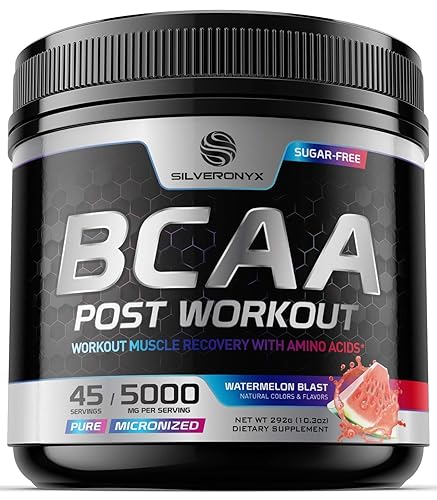
Shopping for one? See our guide: 10 Best BCAAs for Muscle Recovery: 10 Top Picks Compared (2026).
That distinction matters when you read supplement labels. A product that reduces the feeling of soreness is not necessarily improving the underlying recovery process, and a product that does improve performance recovery may not change how sore you feel. For a broader view of the signals worth tracking, see Signs of Inadequate Recovery and Overtraining.
The Factors That Drive Recovery More Than Pills
Before looking at any supplement, it helps to know the baseline. The biggest effects on recovery come from sleep, total training load, nutrition and time. Most of the supplement research on recovery is conducted on people who are already under-recovering, which means the pills are working on top of problems that were never fixed.
Sleep
Sleep is the most consistently powerful recovery tool. Growth hormone release and much of the protein synthesis that supports repair are linked to sleep stages, particularly deep slow-wave sleep. Adults who regularly sleep fewer than seven hours tend to show poorer strength and reaction-time performance in controlled studies. For more detail, read How Different Sleep Stages Affect Muscle Recovery.
Protein and total energy intake
Muscle repair depends on enough dietary protein and enough total calories to support it. Many sports nutrition guidelines suggest roughly 1.6 to 2.2 grams of protein per kilogram of body weight per day for people doing regular resistance training, spread across several meals. Protein at about 0.4 grams per kilogram per meal is a commonly cited threshold for stimulating muscle protein synthesis in adults. Timing matters less than total daily intake, though the timing of meals around training can still be useful. See The Role of Meal Timing in Muscle Recovery After Workouts for the research.
Training load and frequency
Recovery is impossible if the training dose outpaces it. Adjusting volume, intensity and the number of sessions per muscle group usually does more than any supplement. Rest Days, Sleep and Recovery: Managing Training Fatigue covers how to plan this, and Optimal Training Frequency for Different Muscle Groups explains how often each muscle can usually be trained.
Ingredients Commonly Found in Recovery Pills
Recovery supplements usually combine several ingredients. Below is a summary of what each one is, and how strong the evidence tends to be. Evidence ratings here are a general characterization of the published literature, not a product endorsement.
| Ingredient | What it is | What the research generally shows |
|---|---|---|
| Creatine monohydrate | A compound stored in muscle that helps regenerate ATP | Among the most studied supplements. Improves high-intensity performance and may modestly support training adaptations; recovery benefits are less clear-cut. See Creatine Pills vs Powder: Which Works Better and Why? |
| Whey or other dietary protein | A complete protein source | Useful for meeting daily protein targets. Effects depend on total intake rather than the pill itself. |
| Tart cherry extract | Polyphenol-rich fruit extract | Several small trials report reduced soreness and faster strength recovery; results are mixed and effect sizes are modest. |
| Omega-3 fatty acids (EPA and DHA) | Fish oil or algae-based lipids | Some trials suggest reduced soreness after eccentric exercise; the evidence is inconsistent. |
| Vitamin D | A fat-soluble vitamin | Meaningful only if you are deficient. Supplementation in people with adequate levels has not clearly improved recovery. |
| Branched-chain amino acids (BCAAs) | Leucine, isoleucine and valine | Research shows little benefit when total protein intake is already adequate. Leucine within a complete protein is the component most often credited with muscle protein synthesis. |
| Magnesium | A mineral involved in muscle and nerve function | Evidence for recovery benefits is weak, though deficiency can affect muscle function. |
Creatine deserves a separate note
Creatine is the one ingredient in this category with consistent, repeated evidence. It is well established for improving repeated bouts of high-intensity effort, and many people use it for training quality rather than recovery as such. If you are comparing forms, the research base is strongest for creatine monohydrate. You can compare options in Creatine Supplements for Muscle Growth: 8 Best Picks Compared (2026) and HCL Creatine vs Monohydrate (2026): Which Is Better for Muscle Gains?.
How to Evaluate a Recovery Pill Before You Buy
Use this checklist to judge whether a product is worth considering. None of these steps requires specialized equipment.
- Read the full ingredient list and check the amount of each active ingredient per serving. Many products include ingredients at doses too small to match the studies they cite.
- Look for ingredients with published human trials at comparable doses. Be cautious about proprietary blends that hide individual amounts.
- Check whether the manufacturer offers third-party testing from a recognized certifying body. Such certifications confirm label accuracy and screen for contaminants, though they do not confirm the product works.
- Be skeptical of claims that a product eliminates soreness, prevents injury or replaces sleep. The research does not support those promises.
- Consider whether the money would do more as food. Dietary protein, fruit and fish often deliver similar nutrients with other benefits.
- If you take medications or have a medical condition, check with a physician or pharmacist before starting any supplement.
Step-by-Step: Building a Recovery Routine That Includes Pills (Optionally)
Step 1: Fix sleep first
Aim for seven to nine hours in a regular schedule. Track it for two weeks before adding anything else. If sleep is poor, no pill is likely to offset that.
Step 2: Confirm your protein intake
Calculate your daily protein target and check it against a few typical days of eating. Close the gap with whole food first.
Step 3: Adjust training load
If you are consistently sore, performing worse or sleeping poorly, reduce volume by about 20 to 30 percent for a week before deciding whether a supplement is needed.
Step 4: Add one ingredient at a time
If you still want to try a supplement, introduce one product, keep the rest of your routine constant, and track soreness, session performance and sleep for at least three to four weeks. Changing several variables at once makes results impossible to interpret.
Common Mistakes
- Using pills to compensate for poor sleep or insufficient food.
- Judging a product by how sore you feel rather than by how your performance changes.
- Stacking several recovery supplements at once with overlapping ingredients.
- Assuming that a “proprietary blend” contains effective doses of each ingredient.
- Ignoring persistent symptoms such as prolonged fatigue, joint pain or declining performance, which may signal a problem that needs medical evaluation.
Tips for Getting Real Value From Recovery Work
- Log your sleep, soreness and training load in a simple spreadsheet to spot patterns.
- Prioritize consistency over intensity: regular sessions usually beat occasional extremes.
- Use active recovery such as easy walking or light cycling on hard training days.
- Re-evaluate your routine every 8 to 12 weeks as your training changes.
Recommended gear
Most of the recovery gain people notice comes from habits rather than hardware, but a few tools can help you track and manage recovery more objectively.
- Smart ring for sleep and heart rate tracking. A wearable that records sleep duration and resting heart rate can help you see whether recovery is keeping pace with training. View on Amazon
- Digital kitchen scale. Weighing protein portions makes it much easier to hit a daily protein target accurately. View on Amazon
- Foam roller. Useful for general muscle tissue work, though evidence for large recovery effects is modest. View on Amazon
FAQ
Do pills for muscle recovery actually work?
Some ingredients have modest support in the research, including creatine for training performance and tart cherry extract for soreness in certain studies. Many products rely on ingredients with weak or inconsistent evidence, so results vary.
Is creatine a recovery pill?
Creatine is a performance supplement with the strongest evidence in the category. It is often used for training quality and may support recovery indirectly, but it is not usually classed as a recovery treatment.
Are BCAAs needed if I eat enough protein?
Usually not. Research generally shows little additional benefit from BCAAs when total protein intake is adequate.
How long should I try a recovery supplement before judging it?
Three to four weeks of consistent use, with other variables held steady, is a reasonable trial period. Track sleep, soreness and session performance during that time.
Can recovery pills replace rest days?
No. Rest and reduced training load are among the most reliable recovery tools. Supplements do not substitute for them. For guidance, see Rest Days, Sleep and Recovery: Managing Training Fatigue.
Are recovery supplements safe?
Safety depends on the ingredient, dose and your health status. Products can contain undeclared ingredients, and some interact with medications. Consult a doctor, pharmacist or registered dietitian before starting any supplement, especially if you are pregnant, nursing, or managing a medical condition.
What are signs I need more recovery rather than a supplement?
Persistent fatigue, declining strength across several weeks, poor sleep, elevated resting heart rate, irritability and frequent illness can all signal under-recovery. If symptoms persist, speak with a healthcare professional.
Should I take recovery pills every day or only after hard workouts?
It depends on the ingredient. Creatine is usually taken daily because its effect depends on saturating muscle stores. Other ingredients are often taken on training days, but the research on timing is limited for most of them.
Conclusion
Pills for muscle recovery work best as a small addition to a foundation of sleep, adequate protein, sensible training load and time. Creatine has the most consistent evidence, while most other ingredients show modest or mixed results. Evaluate products by their ingredient doses and evidence, not by marketing, and consult a professional if you have health concerns.
Ready to choose one?

About Aria Sinclair
Aria focuses on practical advice for fitness science explainers: what matters before you buy, what to skip, and how to get more out of what you already own.