By Aria Sinclair
Creatine gummies for muscle recovery are a chewable way to take creatine monohydrate, the most studied sports supplement. This guide explains what creatine does in muscle, how gummies compare with powder, how to think about dosing, and what to check on a label. By the end, you will be able to decide whether a gummy format fits your routine and how to use it sensibly.
What Creatine Does for Muscle Recovery
Creatine is stored mostly in skeletal muscle as phosphocreatine, which helps regenerate ATP, the energy currency used during short, intense efforts. Most of the research on creatine focuses on strength, power and lean mass rather than recovery directly. Still, several controlled trials have looked at markers of recovery after hard training. A frequently cited line of work, including a 2009 review by Buford and colleagues in the Journal of the International Society of Sports Nutrition, reports that creatine may help limit some training-induced muscle damage and may support faster return of performance between sessions. The effects are modest and vary between people, so creatine should be treated as one supporting tool, not a recovery shortcut.
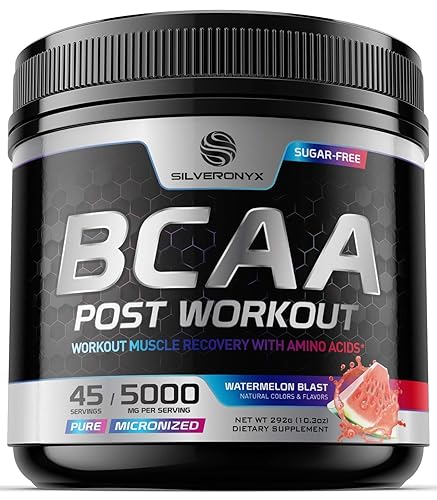
Shopping for one? See our guide: 10 Best BCAAs for Muscle Recovery: 10 Top Picks Compared (2026).
Recovery also depends on sleep, total training load, protein intake and rest days. Creatine works best as an addition to those basics, not a replacement for them.
How Creatine Gummies Compare With Powder
Creatine gummies deliver the same active compound, usually creatine monohydrate, in a chewable form. The main differences are convenience, dose consistency and the amount of creatine per serving. Powder is typically the most cost-effective and flexible format, since you can measure exact amounts. Gummies are easier to pack and take, but each piece often contains a smaller dose, so you may need several to reach a typical daily target.
For a detailed side-by-side, see Creatine Gummy vs Powder (2026): Which Is Better for Most Lifters?. If you are comparing forms of creatine more broadly, Micronized Creatine vs Monohydrate Creatine: Which Is Better? covers particle size and solubility.
| Factor | Creatine Gummies | Creatine Powder |
|---|---|---|
| Dose control | Fixed per piece; check label | Measured by scoop or gram |
| Portability | High | Moderate; needs a container and water |
| Taste and texture | Candy-like | Mostly unflavored or mixed into drinks |
| Serving count to reach a typical dose | Often several pieces | One scoop or measured spoon |
| Added ingredients | Sugars, flavorings, sometimes sweeteners | Usually minimal |
How to Use Creatine Gummies Step by Step
Step 1: Check the creatine amount per serving
Read the Supplement Facts panel and find the creatine monohydrate content per serving and per gummy. Many manufacturers list the amount in grams or milligrams. A common research dose is about 3 to 5 grams of creatine monohydrate per day, though some protocols use a loading phase of around 20 grams per day split into four doses for five to seven days. Confirm the label, because gummy serving sizes vary widely.
Step 2: Calculate how many gummies you need
Divide your target daily dose by the creatine per gummy. For example, if each gummy contains 1 gram and your target is 5 grams, you would take five gummies spread across the day. If the label shows 500 milligrams per gummy, you would need ten to reach 5 grams. Doing this math once keeps you from guessing.
Step 3: Choose a consistent timing pattern
Research on timing is mixed. Some studies suggest taking creatine near training or with a meal may slightly improve uptake, but the total daily amount appears to matter more than the exact time. Pick a time you will remember, such as with breakfast or after training, and keep it consistent. For a closer look at the evidence, see When Is Creatine Best Taken? Timing, Evidence and Buying Guide.
Step 4: Stay consistent for several weeks
Creatine saturates muscle over time. Whether you load or skip loading, expect it to take roughly three to four weeks at a maintenance dose to reach full saturation. Judge the supplement over a month or more, not a few days.
Step 5: Track training and recovery signals
Keep a simple log of session performance, soreness and sleep. This makes it easier to tell whether any change is real. Tools such as resting heart rate or heart rate variability can add context; Using Heart Rate Variability (HRV) to Monitor Recovery explains how to read those numbers without overreacting to single readings.
Factors That Affect How Well Creatine Works
- Training status: People who already eat plenty of meat or fish start with higher creatine stores and may notice fewer changes.
- Total protein and carbohydrate intake: Carbohydrate with creatine may improve muscle uptake in some studies, though the effect is smaller than early marketing suggested.
- Sleep: Recovery quality strongly shapes how you feel and perform. See How Different Sleep Stages Affect Muscle Recovery.
- Hydration and body weight: Creatine pulls some water into muscle cells, so a small early weight gain is common and usually not fat.
- Training load: If you are overreaching, no supplement will offset it. Signs of Inadequate Recovery and Overtraining lists warning signs to watch for.
Creatine Gummy Checklist Before You Buy
- Confirm the form is creatine monohydrate, or check whether a different form is listed.
- Verify the creatine grams per serving and per gummy.
- Review the full ingredient list for added sugar, sweeteners and colors you want to avoid.
- Look for third-party testing seals, such as NSF Certified for Sport or Informed Choice, and check the brand’s batch lookup if available.
- Compare the number of gummies per day needed to reach your target dose.
- Check whether the label mentions allergens and whether it is made in a facility that handles them.
Common Mistakes
- Judging the dose by the number of gummies alone. Always check grams of creatine per piece.
- Taking too little for too short a time. A few days of inconsistent use will not show a meaningful change.
- Assuming gummies are automatically better for recovery. The format changes convenience, not the core compound.
- Ignoring sugar intake. Some gummies add meaningful sugar, which can matter if you are tracking calories.
- Expecting creatine to fix poor sleep or overtraining. Use it alongside the basics.
Tips for Getting the Most Out of Creatine Gummies
- Set a daily reminder for the same time each day.
- Store gummies in a cool, dry place, since heat can soften them.
- Drink enough water through the day, especially on training days.
- Keep a short training and sleep log so you can judge results objectively.
- If you have kidney disease, a medical condition, or take medications, speak with a doctor or registered dietitian before starting any creatine product.
Recommended gear
Gummies do not require equipment, but a few simple items make a consistent routine easier.
- A weekly pill organizer: Helpful for splitting multiple gummies across the day without losing count. View on Amazon
- A digital kitchen scale: Useful if you also switch to powder or want to verify serving weights. View on Amazon
- A water bottle with volume markings: Makes it easier to track daily fluid intake, which supports creatine’s effects on hydration. View on Amazon
FAQ
Are creatine gummies as effective as powder?
If they deliver the same daily dose of creatine monohydrate, the research on creatine applies to both forms. The main difference is how easily you can hit that dose consistently.
How many creatine gummies should I take per day?
Calculate it from the label. Divide your target dose, often 3 to 5 grams, by the creatine per gummy. Follow the manufacturer’s directions and any guidance from a healthcare professional.
Do I need to load creatine gummies?
Loading speeds up saturation but is not required. A lower daily dose reaches the same saturation over about three to four weeks.
When will I notice recovery benefits?
Results vary. Some people notice changes in training performance over several weeks, while recovery effects are harder to isolate and may be subtle.
Can creatine gummies cause side effects?
Creatine is generally studied as well tolerated in healthy adults. Some people report stomach discomfort, especially at high doses, and water retention is common. Gummies may add sugar or sweeteners that some people want to limit.
Do creatine gummies need to be taken with food?
Not necessarily. Taking them with a meal is a reasonable habit, but the total daily dose is generally considered more important than the exact timing.
Who should check with a professional before using creatine?
Anyone with kidney or liver conditions, a history of kidney stones, or who takes medications that affect the kidneys should consult a doctor or registered dietitian before starting creatine.
Is creatine safe for teens?
Evidence in adolescents is more limited. Younger athletes should speak with a pediatrician or sports medicine professional before starting any supplement.
Conclusion
Creatine gummies for muscle recovery offer a convenient way to take creatine monohydrate, but the core benefits and limits come from the compound, not the format. Check the grams of creatine per serving, calculate your daily count, and stay consistent for several weeks. Pair the supplement with sleep, nutrition and sensible training load, and consult a professional if you have health concerns.
Related reading
Ready to choose one?

About Aria Sinclair
Aria focuses on practical advice for fitness science explainers: what matters before you buy, what to skip, and how to get more out of what you already own.