 By Emily Parker
Updated November 2026
Beetroot juice for muscle recovery is one of the more closely studied sports nutrition topics, mostly because beetroot is a rich source of dietary nitrate. Readers looking at this category usually want to know which format fits their routine: a ready-to-drink bottle, a concentrated shot, or a powder they can mix into smoothies. This list compares six products across those formats. The selection criteria were product type, ingredient transparency, serving size and format, the nitrate content stated on the label, and general patterns in owner feedback. None of these were tested in a lab or used by the author, and the information below comes from listing details and published research.
Our top picks at a glance
- 1
 TOP CHOICEBest overallBeet It Regen Cherry+ Energy Shots 70mlView on Amazon
- 2
 TOP CHOICEBest for high-dose powderBioBeet Max Strength Beet Root Juice PowderView on Amazon
- 3
 TOP CHOICEBest for smoothies and bakingKate Naturals Organic Beet Root PowderView on Amazon
- 4
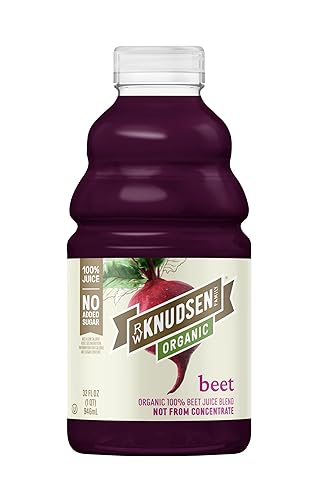 Best ready-to-drink juiceR.W. Knudsen Organic Beet JuiceView on Amazon
- 5
 Best budget pickNutrachamps Beetroot PowderView on Amazon
- 6
 Best no-sugar-added juicePomona Organic Pure Beetroot JuiceView on Amazon
Our Top Picks
| Product | Best for | Key feature |
|---|---|---|
| Beet It Regen Cherry+ Energy Shots 70ml | Convenient pre-workout dosing | Beet and tart cherry juice concentrate with 200mg dietary nitrates per shot |
| BioBeet Max Strength Beet Root Juice Powder | Higher-dose powder users | Listed as 60,000 mg beetroot per serving, 20:1 concentrate |
| Kate Naturals Organic Beet Root Powder | Cooking and smoothies | Organic, non-GMO powder in an 8 oz bag |
| R.W. Knudsen Organic Beet Juice | Drinking juice straight | Ready-to-drink organic beet juice, 32 fl oz |
| Nutrachamps Beetroot Powder | Budget-minded buyers | Beetroot powder blended with grape seed extract |
| Pomona Organic Pure Beetroot Juice | Plain juice with no added sugar | Cold-pressed, not from concentrate, 12 glass bottles |
Beet It Regen Cherry+ Energy Shots 70ml
Beet It Regen Cherry+ Energy Shots 70ml – Beet Juice & Tart Cherry Juice Concentrate to Boost Muscle Recovery & Endurance – 200mg Dietary Nitrates – Pack of 15
Best for: Convenient pre-workout dosing
This is a good fit for people who want a measured, portable dose without mixing anything. It suits those who already follow a nitrate-focused routine and like the added tart cherry component.
Key specs
- Format: 70 ml shot, pack of 15
- Stated nitrate content: 200 mg dietary nitrates per shot
- Ingredients: beet juice and tart cherry juice concentrate
Pros
- Pre-measured doses remove guesswork
- Easy to carry to the gym or travel with
- Combines beet and tart cherry in one shot
Cons
- Small volume means a higher cost per serving than bulk juice
- Strong flavor is a common complaint in owner feedback
Bottom line: A strong choice for people who want a simple, pre-dosed shot and do not mind the taste. Those seeking the lowest cost per serving may prefer a powder.
BioBeet Max Strength Beet Root Juice Powder
Cold-Pressed, USA Grown, Nitric Oxide, Circulation Support, Each Serving Derived from 60,000 mg Beetroot, 50 Servings BioBeet® Max Strength Beet Root Juice Powder, 20:1 Concentrate, Organic
Best for: Higher-dose powder users
This suits readers who want a concentrated powder and are comfortable measuring scoops. The manufacturer positions it as a high-strength, cold-pressed option.
Key specs
- Labeled as 60,000 mg beetroot per serving
- Listed as a 20:1 concentrate, 50 servings
- Organic, cold-pressed, USA grown per listing
Pros
- High stated beetroot concentration
- Many servings per container
- Mixes into water or juice
Cons
- Earthy taste can be strong without a base liquid
- Requires consistent daily use to be practical
Bottom line: Best for people who want a concentrated, long-lasting powder and plan to use it daily.
Kate Naturals Organic Beet Root Powder
Non-GMO, Raw Beetroot Superfood Extract & Natural Red Food Coloring & Nitric Oxide, Earthy Flavor Kate Naturals Organic Beet Root Powder for Smoothies, Baking & Juice, 8oz
Best for: Cooking and smoothies
This is a practical pick for people who want to add beetroot to food, not just drink it. It works well in smoothies, baked goods and juice blends.
Key specs
- Size: 8 oz
- Labeled organic and non-GMO
- Single-ingredient beet root powder per listing
Pros
- Versatile in recipes
- Natural red color for foods
- Single-ingredient labeling
Cons
- Earthy flavor may not suit everyone
- Nitrate content per serving is not always prominent on the label, so check the nutrition panel
Bottom line: A good choice for cooks and smoothie makers who want a flexible, single-ingredient powder.
R.W. Knudsen Organic Beet Juice
R.W. Knudsen Organic Beet Juice, 32 fl oz (Pack of 1)
Best for: Drinking juice straight
This suits people who prefer a ready-to-drink juice and do not want to measure powder. It is a straightforward option for a daily glass.
Key specs
- Size: 32 fl oz
- Labeled organic beet juice
- Ready to drink, no mixing
Pros
- No preparation needed
- Simple, single-ingredient format
- Easy to portion across the week
Cons
- Bulky to store and transport
- Needs refrigeration after opening
Bottom line: Best for people who want a simple daily drink and have room to store a larger bottle.
Nutrachamps Beetroot Powder
Beetroot Powder Superfood – Super Reds Beets & Grape Seed Extract for Smoothies, Baking – Energy Support Nutrachamps Beet Root Powder – Circulation Supplement – Beetroot Juice
Best for: Budget-minded buyers
This is an option for readers who want a powder with added grape seed extract and a lower entry point. It is positioned for smoothies and baking as well as drinks.
Key specs
- Beetroot powder blended with grape seed extract, per listing
- Marketed for smoothies, baking and juice
Pros
- Versatile for recipes and drinks
- Includes a secondary botanical ingredient
- Suits trial use for beginners
Cons
- Blended formula makes it harder to isolate beetroot’s effect
- Label details should be checked for exact beetroot content per serving
Bottom line: A reasonable starting point for budget-focused buyers who are comfortable reading labels closely.
Pomona Organic Pure Beetroot Juice
Not from Concentrate, No Preservatives, Non-GMO, Cold-Pressed, Kosher, Gluten Free & Vegan, 8.4 Oz Glass Bottles (12 Pack) Pomona Organic Pure Beetroot Juice, No Sugar Added, 12-pack
Best for: Plain juice with no added sugar
This suits people who want a clean, unsweetened juice and are comfortable with an earthy taste. The glass bottles and cold-pressed processing appeal to those who prefer minimal processing.
Key specs
- Size: 8.4 oz glass bottles, 12-pack
- Not from concentrate, no preservatives, no added sugar per listing
- Cold-pressed, kosher, gluten free and vegan per listing
Pros
- No added sugar
- Minimal processing claims
- Individually portioned bottles
Cons
- Glass bottles are heavier to carry
- Strong earthy flavor without sweeteners
Bottom line: A good pick for people who want plain, unsweetened beet juice in convenient single servings.
Buying Guide
Format: juice, shot or powder
Ready-to-drink juice is the simplest option but takes up the most space. Shots are measured and portable. Powders are the most flexible and often the most economical per serving, though they require mixing. Choose the format you will actually use every day.
Good picks for this: Kate Naturals Organic Beet Root Powder, Beet It Regen Cherry+ Energy Shots 70ml
Stated nitrate content
Dietary nitrate is the compound most often discussed in beetroot research. Check whether the label states nitrate content in milligrams per serving. Some products list only beetroot weight, which does not directly tell you nitrate levels. Compare labels on a per-serving basis.
Good picks for this: Beet It Regen Cherry+ Energy Shots 70ml, BioBeet Max Strength Beet Root Juice Powder
Ingredient list
Single-ingredient products make it easier to attribute effects to beetroot itself. Blended formulas add other compounds, which may be useful to some people but complicate interpretation. Read the full ingredient list, including sweeteners and flavorings.
Good picks for this: Pomona Organic Pure Beetroot Juice, Kate Naturals Organic Beet Root Powder
Serving size and daily use
Consider how many servings you will use per week. A large bottle of juice or a big powder tub may cost less per serving but only makes sense if you will finish it. Smaller formats can reduce waste for occasional users.
Good picks for this: R.W. Knudsen Organic Beet Juice, BioBeet Max Strength Beet Root Juice Powder
Taste and mixing
Beetroot has a naturally earthy flavor that many people find strong. Powders blend more easily into smoothies, while juice can be combined with apple or citrus. Plan your mixing method before buying.
Good picks for this: Kate Naturals Organic Beet Root Powder, Nutrachamps Beetroot Powder
Packaging and storage
Glass bottles, shot containers and powder pouches each store differently. Juice usually needs refrigeration after opening, while powders should be kept dry and sealed. Check the storage instructions on the label.
Good picks for this: Pomona Organic Pure Beetroot Juice, R.W. Knudsen Organic Beet Juice
Use case and timing
Some people use beetroot products before exercise, while others use them daily. Research on timing is still developing, so consider what fits your routine rather than relying on a fixed schedule. A consistent daily habit is easier to maintain than a timed dose.
Good picks for this: Beet It Regen Cherry+ Energy Shots 70ml, Nutrachamps Beetroot Powder
FAQ
Does beetroot juice help muscle recovery?
Some studies have found that beetroot juice increases blood nitrate levels and may affect exercise performance and recovery markers, but results vary across studies and populations. The evidence is mixed enough that it should not be treated as a guaranteed benefit. Anyone with medical conditions or on medication should consult a healthcare professional before starting a new supplement.
How much beetroot juice do people usually take?
Research studies often use doses containing a few hundred milligrams of dietary nitrate, commonly around 300 to 500 mg, taken a few hours before exercise. Product labels vary, so check the nitrate content per serving and follow the manufacturer’s directions.
When should I drink beetroot juice?
Many studies give beetroot products around two to three hours before exercise. Timing for recovery specifically is less well defined. A consistent routine is generally more practical than trying to time every dose precisely.
Can beetroot cause side effects?
Beetroot can cause beeturia, a harmless pink or red color in urine or stool, in some people. Large amounts may also affect those prone to kidney stones because of oxalate content. Talk with a professional if you have kidney concerns.
Is beet powder as effective as beet juice?
Powders can deliver similar beetroot compounds when the nitrate content is comparable, but the actual amount depends on the product. Compare labeled nitrate per serving rather than assuming equivalence between formats.
Does beetroot juice affect blood pressure?
Some research has examined beetroot and blood pressure, and results have been mixed. If you take blood pressure medication or have a cardiovascular condition, speak with your doctor before using concentrated beetroot products.
Can I get enough nitrates from vegetables instead?
Leafy greens such as spinach, arugula and lettuce are also sources of dietary nitrate. Whole foods offer fiber and other nutrients, and they may be a practical part of a balanced diet even if you also use a beetroot product.
Conclusion
For a convenient, pre-measured option, the Beet It Regen Cherry+ Energy Shots suit people who want a simple dose. Readers who prefer concentrated powder may look at the BioBeet Max Strength powder, while the Kate Naturals powder is better for cooking and smoothies. The R.W. Knudsen juice and Pomona pure juice fit those who want a ready-to-drink option, and the Nutrachamps powder is a reasonable budget starting point. Match your choice to your format preference, label transparency and how you plan to use it each day.
Sources
- Research summaries on dietary nitrate, beetroot and exercise performance in peer-reviewed literature (nih.gov)
- How to read dietary supplement labels and understand serving-size and ingredient information (fda.gov)
- Position guidance from the American College of Sports Medicine on sports nutrition and recovery (acsm.org)
Related reading
- Which Supplements for Muscle Soreness Recovery Actually Work?
- Top 5 Infrared Saunas for Muscle Recovery Picks Compared (2026)
- The Role of Meal Timing in Muscle Recovery After Workouts
About Emily Parker
Emily Parker is part of our editorial team and reviews and edits our fitness science explainers guides, checking product details against manufacturer specifications and owner feedback.