By Aria Sinclair
A magnesium spray for muscle recovery is a topical product, usually a magnesium chloride solution, that you apply to the skin, most often on the legs, shoulders or lower back. This guide explains what magnesium does in muscle tissue, what the research says about absorbing it through the skin, and how to judge whether a spray is worth trying. By the end, you will know how to set up a fair trial, what outcomes to track, and where the evidence is still thin.
What Magnesium Does in Muscle Tissue
Magnesium is a cofactor in more than 300 enzymatic reactions in the body, including those involved in ATP production, protein synthesis and muscle contraction and relaxation. Calcium drives contraction and magnesium helps regulate the relaxation phase, which is one reason it gets attention in discussions about cramps and stiffness. The National Institutes of Health lists adult recommended intakes at roughly 310 to 420 mg per day depending on sex and age, and many people fall short of that from food alone.
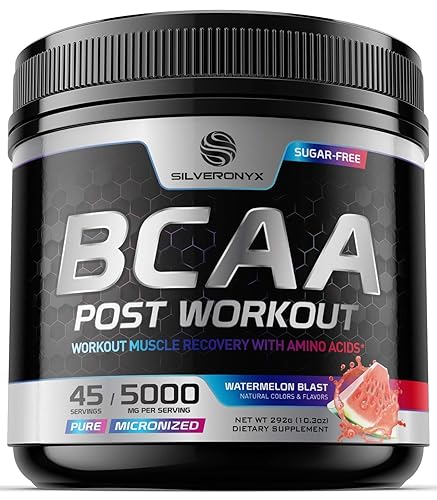
Shopping for one? See our guide: 10 Best BCAAs for Muscle Recovery: 10 Top Picks Compared (2026).
The key point for recovery is that magnesium’s role is biochemical and systemic. Whether a topical application raises tissue magnesium enough to matter is a separate question, and the answer is not yet settled.
What the Research on Transdermal Magnesium Shows
Most of the interest in sprays comes from the idea of transdermal absorption, meaning magnesium passes through the skin into circulation. The evidence here is mixed. A frequently cited study by Waring and colleagues in 2006 reported that magnesium chloride applied to the skin was associated with changes in serum levels in some participants, but the design and sample size were limited. Other investigations have found that the stratum corneum, the outermost layer of skin, is a strong barrier to magnesium ions, and that measurable systemic increases from short topical use are small or inconsistent.
The practical takeaway is that the best-supported findings concern oral intake and deficiency. Claims that a spray reliably raises blood magnesium, or speeds recovery by a specific margin, go beyond what the published studies demonstrate. Research on topical application for soreness specifically is sparse, and most trials are small.
Why Some People Report Feeling Better
Several effects may explain why users describe a benefit even when systemic magnesium changes are unclear. Massage and topical application involve touch and skin contact, which can reduce perceived tension. The cooling or tingling sensation some sprays produce can distract from soreness. Placebo and expectation effects are also real in pain and recovery perception. None of this means the spray does nothing, but it does mean subjective improvement should be interpreted carefully. For broader context on recovery methods, see Massage, Foam Rolling, Cold Water and Compression: What Recovery Research Shows.
How to Run a Fair Trial at Home
If you want to see whether a spray helps you, a structured approach beats guessing. Work through these steps.
Step 1: Define your outcome
Pick one or two measurable markers before you start. Examples include soreness on a 0 to 10 scale rated at the same time each morning, range of motion for a specific movement, or the number of reps you can complete in your next session of the same exercise.
Step 2: Establish a baseline
Track your chosen markers for at least one week without the spray. Keep training load roughly consistent so you are comparing similar stress.
Step 3: Apply consistently
Follow the label directions for amount and placement. Manufacturers typically specify a number of sprays per area and a frequency. Applying more than directed does not make the product work better and may increase skin irritation.
Step 4: Compare and reassess
Run the spray phase for two to four weeks and compare your markers to baseline. Small, inconsistent differences are often just normal day-to-day variation.
Checklist Before You Buy or Use
- Read the ingredient list and confirm the active form (commonly magnesium chloride).
- Patch test a small area for 24 hours, especially if you have sensitive skin.
- Avoid applying to broken, irritated or sunburned skin.
- Keep your training, sleep and nutrition as steady as possible during the trial.
- Decide in advance what result would make you stop or continue.
Comparing Recovery Tools at a Glance
| Approach | Main evidence base | Typical use | Notes |
|---|---|---|---|
| Magnesium spray (topical) | Limited, small studies; systemic absorption unclear | Apply to sore areas per label | Subjective benefit reported; test with a structured trial |
| Oral magnesium | Stronger for correcting low intake | Daily dose, with food | Excess can cause digestive upset; check with a clinician |
| Sleep optimization | Well supported for recovery | Consistent schedule | See How Different Sleep Stages Affect Muscle Recovery |
| Foam rolling and massage | Mixed, mostly short-term symptom relief | Pre or post training | Often used alongside other methods |
Common Mistakes
- Treating a spray as a replacement for training recovery basics. Sleep, total volume and rest days usually matter more.
- Changing several variables at once. If you start a new spray and a new program in the same week, you cannot tell what caused any change.
- Overapplying. More product does not necessarily mean more absorption.
- Ignoring persistent soreness. Lingering pain or swelling warrants a visit to a healthcare professional.
- Assuming a single day’s result means anything. Recovery markers fluctuate; look at trends over weeks.
Tips for Getting Useful Results
Apply the spray at the same time of day during your trial, ideally after a shower when skin is clean and dry. Record soreness before application and again the next morning so you have consistent comparison points. If you use other recovery tools such as compression or cold water, log them too, since they can confound your results. Heart rate variability tracking can add an objective signal; see Using Heart Rate Variability (HRV) to Monitor Recovery for how it works and its limits.
Recommended gear
Magnesium spray is the main product here, and a basic training log helps you judge whether it is doing anything for you.
- Magnesium chloride spray (topical). Choose a product that lists magnesium chloride clearly and includes application directions. Pick a budget or premium option based on ingredient transparency rather than marketing. View on Amazon
- Soft-tip applicator or lotion-style magnesium cream. Some users prefer a cream for even coverage on larger areas, though absorption data for either format is limited. View on Amazon
- Printed or app-based training and soreness log. A simple daily rating helps you run a fair before-and-after comparison. View on Amazon
FAQ
Does magnesium spray actually absorb through the skin?
Some absorption is plausible, but the amount that reaches circulation from short-term topical use is not well quantified. Studies have produced inconsistent results, so do not assume a measurable blood change.
How long does it take to notice a difference?
Most users who track outcomes assess changes over two to four weeks, since day-to-day soreness varies a lot. Immediate sensations such as cooling are not the same as recovery effects.
Can I use magnesium spray every day?
Follow the label directions. Daily use on intact skin is generally considered low risk for most people, but stop if you notice redness, itching or irritation.
Is it safe for everyone?
Most healthy adults tolerate topical magnesium well, but people with kidney disease or those taking medications should consult a healthcare professional before adding magnesium in any form.
Is a spray better than taking magnesium orally?
The evidence for oral magnesium is stronger, particularly for people with low dietary intake. A spray should not be treated as a substitute without professional guidance.
Will magnesium spray help cramps?
Cramps have several possible causes, and the evidence that topical magnesium prevents them is weak. If cramps are frequent, a clinician can help identify the cause.
How does this fit with other recovery methods?
Magnesium spray is best viewed as one optional tool. Sleep, progressive training load and adequate nutrition have far stronger support. For timing of food around sessions, see The Role of Meal Timing in Muscle Recovery After Workouts.
Conclusion
Magnesium spray for muscle recovery is an accessible product with a limited and mixed research base. Its systemic effects through the skin are not firmly established, though some people report subjective relief. If you try one, use a structured two-to-four-week trial with clear markers, and keep the rest of your recovery habits steady. Consult a healthcare professional if soreness persists or if you have a medical condition.
Ready to choose one?

About Aria Sinclair
Aria focuses on practical advice for fitness science explainers: what matters before you buy, what to skip, and how to get more out of what you already own.