
 By Silas Russell
Updated November 2026
If you are searching for a foam roller for DOMS, you are probably dealing with delayed onset muscle soreness that peaks a day or two after an unfamiliar or hard workout. The right roller can make that soreness easier to live with, but the choice depends on your body size, the muscles you want to work and how much pressure you can tolerate. This list compares seven widely sold rollers on density, length, surface pattern and intended use, and it draws on manufacturer specifications and common owner feedback rather than any testing of our own.
Our top picks at a glance
- 1
 TOP CHOICEBest overallTriggerPoint Grid 1.0 Foam RollerView on Amazon
- 2
 TOP CHOICEBest for a gentler first roll321 STRONG Patented 3-Zone Massage RollerView on Amazon
- 3
 TOP CHOICEBest budget pickAmazon Basics High-Density Foam RollerView on Amazon
- 4
 Best for full-length back and hip workTriggerPoint Grid 2.0 Foam RollerView on Amazon
- 5
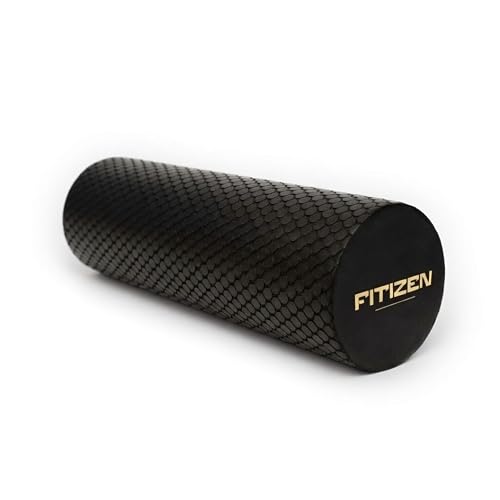 Best for travel and small spacesFoam Roller for Muscle Massage (Classic, Mini 12 x 4 Inches)View on Amazon
- 6
 Best firm roller for experienced usersProsourceFit High Density Foam RollerView on Amazon
- 7
 Best soft roller for beginnersOPTP PRO-Roller Soft Density Foam RollerView on Amazon
How We Selected These Rollers
Our selection method was research-based. We compared manufacturer specifications for density, length, diameter and weight capacity, checked brand reputation in the fitness and physical therapy space, and reviewed patterns in owner feedback, such as recurring comments about durability, surface firmness and whether the roller felt too aggressive for beginners. We did not test these products ourselves, and we have not claimed any lab results. Where a spec was not clearly stated in the listing, we left it out.
For DOMS specifically, the key question is how much pressure a roller applies. Softer foam spreads load over more tissue, which many people find more comfortable when muscles are already sore. Firmer or textured rollers concentrate pressure and can feel more intense. Matching density to your pain tolerance matters more than picking the most aggressive option.
Our Top Picks
Quick Comparison
| Product | Best for | Key feature |
|---|---|---|
| TriggerPoint Grid 1.0 Foam Roller | Overall use | Multi-density grid surface |
| 321 STRONG Patented 3-Zone Massage Roller | Gentler first roll | Three zones for adjustable intensity |
| Amazon Basics High-Density Foam Roller | Budget pick | Simple high-density foam, 18 inches |
| TriggerPoint Grid 2.0 Foam Roller | Back and hips | 26-inch length with hollow core |
| Foam Roller for Muscle Massage (Mini) | Travel and small spaces | 12 x 4 inch compact size |
| ProsourceFit High Density Foam Roller | Firm, experienced users | 12-inch high-density foam |
| OPTP PRO-Roller Soft Density | Beginners | Soft density, 36 x 6 inches |
TriggerPoint Grid 1.0 Foam Roller
TriggerPoint Grid 1.0 Foam Roller – 13" Multi-Density Massage Roller for Deep Tissue & Muscle Recovery – Relieves Tight, Sore Muscles & Kinks, Improves Mobility & Circulation – Targets Key Body Parts
Best for: Overall use across major muscle groups
This is a popular all-around choice for people who want one roller for legs, back and glutes. The multi-density grid is designed to mix firmer ridges with softer sections, so it can feel firm without being punishing for most users.
Key specs
- Length: 13 inches (per listing name)
- Multi-density grid surface
- Designed for deep tissue and muscle recovery
Pros
- Compact enough to carry to the gym
- Grid pattern covers muscle areas evenly
- Well-known brand with broad availability
Cons
- Short length makes it harder to roll large areas like the full back
- Grid ridges can feel intense on very sore quads
Bottom line: A strong first choice for someone who wants a reliable, moderately firm roller for general DOMS recovery.
321 STRONG Patented 3-Zone Massage Roller
Palm, Finger, and Thumb Zones to Control Massage Intensity – Extends into Soft Tissue to Release Muscle Adhesions 321 STRONG Patented 3-Zone Massage Roller, Medium Density for Exercise
Best for: A gentler first roll on sore muscles
This roller uses different zones that let you adjust pressure by shifting your body weight. It suits people who find standard rollers too intense when DOMS is at its peak.
Key specs
- Three-zone design for variable intensity
- Medium density (per listing name)
- Intended for exercise and soft tissue work
Pros
- Zones let you control pressure without changing position
- Medium density is a middle ground for most users
- Useful for smaller muscle areas like calves and forearms
Cons
- Shape and zones take a short adjustment period
- Less surface area for broad back rolling
Bottom line: Suits anyone who wants controllable pressure during the first days of soreness.
Amazon Basics High-Density Foam Roller
Amazon Basics High-Density Foam Roller for Exercise and Recovery, 18 Inches, Black
Best for: A simple, budget-friendly roller
A plain high-density roller without added texture. It fits people who want a no-frills tool and already know their pain tolerance.
Key specs
- Length: 18 inches (per listing name)
- High-density foam
- Black finish
Pros
- Budget-friendly option within the list
- 18-inch length covers more of the back and thighs
- Straightforward design with no moving parts
Cons
- High density can feel very firm on acutely sore tissue
- No texture or zones to adjust intensity
Bottom line: A sensible pick if you want a basic roller and can handle firm pressure.
TriggerPoint Grid 2.0 Foam Roller
TriggerPoint Grid 2.0 Foam Roller for Deep Tissue Massage and Muscle Recovery, 26 Inch Multi-Density EVA with Hollow Core, Supports 500 Pounds, Black
Best for: Full-length rolling of the back, hips and legs
The longer format lets you roll larger muscle groups in fewer passes. Owners often mention the hollow core as a reason it stays light while remaining firm.
Key specs
- Length: 26 inches (per listing name)
- Multi-density EVA foam with hollow core
- Weight capacity: 500 pounds (per listing name)
Pros
- Long length supports full-back and hamstring rolling
- Hollow core reduces weight
- Stated weight capacity is high
Cons
- Too long for some bags and small apartments
- Can be awkward to position on the floor for single-leg work
Bottom line: A good fit for people who want to cover large areas after heavy leg or back sessions.
Foam Roller for Muscle Massage (Classic, Mini 12 x 4 Inches)
Foam Roller for Muscle Massage, Stiff Back Pain Relief, Physical Therapy, Deep Tissue, Exercise Equipment for Home Gym, Stress, Yoga, Pilates for the Fit Citizen (Classic, Mini 12 x 4 Inches)
Best for: Travel and small spaces
A compact roller that fits in a gym bag or suitcase. It works well for targeted rolling of calves, forearms and smaller areas.
Key specs
- Size: 12 x 4 inches (per listing name)
- Classic foam construction
Pros
- Very portable
- Good for calves and smaller muscle groups
- Affordable for a second roller
Cons
- Small surface area makes large muscles take longer
- Pressure is concentrated, which can be too intense for some users
Bottom line: Best as a secondary roller for travel or targeted spot work.
ProsourceFit High Density Foam Roller
ProsourceFit High Density Foam Rollers 12 – inches Long. Firm Full Body Athletic Massager for Back Stretching, Yoga, Pilates, Post Workout Trigger Point Release, Black
Best for: Firm pressure for experienced users
This roller is built for people who already roll regularly and want deeper pressure. Beginners with significant DOMS may find it too firm.
Key specs
- Length: 12 inches (per listing name)
- High-density foam
Pros
- Firm surface delivers deep pressure
- Compact length for portability
- Suitable for stretching and post-workout use
Cons
- Too intense for many people during acute soreness
- Short length limits coverage
Bottom line: For experienced rollers who want firm, focused pressure rather than a gentle start.
OPTP PRO-Roller Soft Density Foam Roller
Soft foam roller for physical therapy, Pilates, yoga foam roll exercises, muscle recovery, blue, 36" x 6" OPTP PRO-Roller Soft Density Foam Roller – Round, Blue, 36" x 6"
Best for: Beginners and sensitive muscles
A soft-density roller from a brand associated with physical therapy settings. It is often used for gentler work during rehab-style routines.
Key specs
- Size: 36 x 6 inches (per listing name)
- Soft density
- Round profile
Pros
- Soft foam is easier to tolerate during peak DOMS
- Long length covers large muscle groups
- Well suited to Pilates and yoga-style floor work
Cons
- Soft density may not provide enough pressure for experienced users
- Long length takes up space
Bottom line: A comfortable starting point for anyone new to rolling or dealing with very sensitive soreness.
Buying Guide
Density
Density is the single most important factor for DOMS. Soft foam spreads pressure and is easier to tolerate in the first 24 to 72 hours after hard training. Firm or high-density foam produces more pressure per square inch and suits people with higher pain tolerance. If you are unsure, start softer and move to firmer rollers as soreness decreases.
Good picks for this: OPTP PRO-Roller Soft Density, 321 STRONG Patented 3-Zone Massage Roller
Length and Diameter
Longer rollers, such as 26-inch or 36-inch models, let you cover the full back, hamstrings and quads in fewer passes. Shorter rollers, around 12 inches, are easier to carry and better for targeted work on calves or forearms. Consider the largest muscle group you plan to roll most often.
Good picks for this: TriggerPoint Grid 2.0 Foam Roller, Foam Roller for Muscle Massage (Mini)
Surface Pattern
Smooth rollers distribute pressure evenly. Textured or grid surfaces add targeted pressure points that some people find helpful for soft tissue work, though they can feel intense on sore muscles. If DOMS is severe, a smooth or lightly textured surface is usually more comfortable.
Good picks for this: TriggerPoint Grid 1.0 Foam Roller, Amazon Basics High-Density Foam Roller
Weight Capacity and Durability
Check the stated weight capacity if you plan to use the roller as a support for stretches or with a partner. Hollow-core designs reduce weight but should still be inspected for cracks. High-density foam generally holds its shape longer than soft foam, though all rollers flatten gradually with heavy daily use.
Good picks for this: TriggerPoint Grid 2.0 Foam Roller, ProsourceFit High Density Foam Roller
Portability
If you train at a gym and want to roll before or after sessions, a compact roller that fits in a bag is more practical. Full-length rollers are better suited to a dedicated home space where they can stay on the floor.
Good picks for this: Foam Roller for Muscle Massage (Mini), ProsourceFit High Density Foam Roller
Your Pain Tolerance and Experience Level
Beginners and people with significant soreness usually do better with softer rollers and slower pressure. Experienced rollers who already know their tolerance may prefer firmer options. Stop rolling if you feel sharp pain, numbness or tingling.
Good picks for this: OPTP PRO-Roller Soft Density, 321 STRONG Patented 3-Zone Massage Roller
Care and Hygiene
Wipe the roller with mild soap and water after use, especially if you roll on shared gym floors. Keep it out of direct sunlight and high heat, which can degrade foam over time. Replace the roller if it develops deep cracks or permanent flattening.
Good picks for this: Amazon Basics High-Density Foam Roller, TriggerPoint Grid 1.0 Foam Roller
FAQ
Does foam rolling actually help DOMS?
Research on foam rolling and delayed onset muscle soreness is mixed. Several studies report small reductions in perceived soreness after rolling, while others find little measurable effect on performance or strength recovery. Many people use it as a low-cost way to feel more comfortable, but it should be viewed as one recovery tool alongside sleep, nutrition and gradual training load. For broader context, see Massage, Foam Rolling, Cold Water and Compression: What Recovery Research Shows.
How long should I foam roll for sore muscles?
A common approach is 30 to 60 seconds per muscle area, rolling slowly at about one inch per second and pausing on tender spots for a few breaths. Total sessions of 5 to 15 minutes are typical. Avoid rolling directly over joints, the lower back or the front of the neck.
Should I foam roll the day after a hard workout?
Many people roll during the peak soreness window, usually 24 to 72 hours after training. Keep pressure moderate, since rolling very hard on acutely sore tissue can increase discomfort. Softer rollers are often a better choice at this stage.
Is a soft or firm foam roller better for DOMS?
It depends on tolerance. Soft rollers are generally easier to use during peak soreness, while firm rollers deliver more pressure. Start with the softest option that still feels productive, and move to firmer density only if you find it comfortable.
Can I use a foam roller every day?
Daily short sessions are common among people who roll regularly. Pay attention to how your muscles respond. If soreness increases or you notice bruising, reduce frequency and intensity.
Can foam rolling replace stretching or rest?
No. Rolling can be used alongside stretching and rest, but it does not replace adequate sleep, appropriate training volume or recovery days. Consider it one part of a broader recovery routine.
When should I see a professional about muscle soreness?
Consult a doctor or physical therapist if soreness lasts longer than about a week, is accompanied by swelling, dark urine, weakness, or severe pain, or if you have an existing condition. Those symptoms can indicate something more serious than typical DOMS.
Conclusion
For most people searching for a foam roller for DOMS, a softer or medium-density roller is the most sensible starting point, especially during the first few days of soreness. The TriggerPoint Grid 1.0 Foam Roller offers a balanced all-around option, while the OPTP PRO-Roller Soft Density suits beginners and very sensitive muscles. Those who want full-length coverage should consider the TriggerPoint Grid 2.0 Foam Roller, and experienced rollers seeking firmer pressure may prefer the ProsourceFit High Density Foam Roller. Choose based on density comfort, size and how much you plan to roll, rather than assuming firmer always means better.
Sources
- Peer-reviewed research summaries on delayed onset muscle soreness and recovery methods, including foam rolling studies (nih.gov)
- Position statements and guidance from the American College of Sports Medicine on exercise recovery and training load (acsm.org)
- General guidance on when muscle pain and swelling should prompt medical evaluation (cdc.gov)
Related reading
- Rolling on Foam Roller: 7 Best Picks Compared for Recovery (2026)
- Foam Roller for Fascia: 7 Best Picks for Myofascial Release (2026)

About Silas Russell
Silas researches and writes buying guides and how-to articles on fitness science explainers. Picks are based on product specifications, brand reputation and patterns in owner feedback, and are updated as new models come out.

