By Aria Sinclair
An electronic muscle stimulator for recovery is a handheld or wearable device that sends low-level electrical pulses through electrode pads placed on the skin, causing muscles to contract without voluntary effort. Athletes and active adults use these devices with the goal of reducing soreness, easing tightness, and possibly supporting circulation after hard training. This guide explains how the technology works, what the research does and does not support, how to set up a session, and which mistakes to avoid.
What an Electronic Muscle Stimulator Does
Most consumer devices use one of two broad approaches. Neuromuscular electrical stimulation (NMES) delivers pulses strong enough to produce visible or palpable muscle contractions. Transcutaneous electrical nerve stimulation (TENS) uses lower intensities that typically produce a tingling sensation rather than a clear twitch, and it is more often marketed for pain relief. Some recovery units combine features from both categories, so the labeling on the box matters more than the category name.
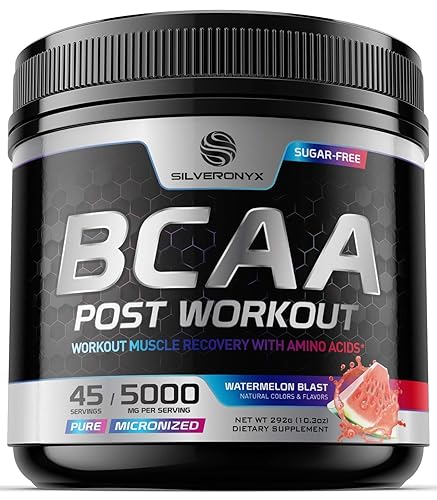
Shopping for one? See our guide: 10 Best BCAAs for Muscle Recovery: 10 Top Picks Compared (2026).
The proposed mechanisms for recovery use fall into three groups. The first is mechanical: repeated contractions may increase local blood flow, which some researchers believe helps clear metabolic byproducts. The second is sensory: the tingling or pulsing can alter pain perception through the gate-control mechanism that TENS research has described for decades. The third is neuromuscular: stimulation may influence motor unit activity in ways that are still being studied. Evidence for each mechanism varies in strength, and the effect sizes reported in the literature are generally modest.
What the Research Shows for Recovery
Studies on electrical stimulation and delayed onset muscle soreness (DOMS) have produced mixed results. Several trials have reported reduced perceived soreness in the days after eccentric exercise when stimulation was applied, while others found little or no difference compared with placebo or rest. A recurring pattern is that outcomes depend heavily on the protocol: pulse frequency, pulse width, session duration, intensity, and timing relative to the workout all influence results. Many studies also use small sample sizes, which limits how confidently the findings can be generalized.
Research on performance markers such as strength, power, and sprint output after training is similarly inconsistent. The most defensible summary is that electrical stimulation may help some people feel less sore or move more comfortably in the short term, but it is not a substitute for sleep, nutrition, progressive training, and adequate rest days. For broader context on what does and does not help, see Massage, Foam Rolling, Cold Water and Compression: What Recovery Research Shows and Rest Days, Sleep and Recovery: Managing Training Fatigue.
Step-by-Step: Setting Up a Recovery Session
Good technique matters because electrode placement and intensity settings determine how much current reaches the target tissue. Follow the steps below, and always check the manufacturer’s instructions for your specific unit.
- Clean the skin. Wash the area with soap and water and dry it completely. Oils, lotions, and sweat reduce pad adhesion and can cause uneven current distribution.
- Choose pad placement. Place pads on either side of the muscle belly, following the direction of the muscle fibers where possible. For a quadriceps session, one common approach is one pad near the upper thigh and one near the knee, both on the same muscle group. Avoid placing pads directly over the heart, across the chest, on the front or sides of the neck, or over the eyes.
- Start at the lowest intensity. Turn the device on and increase slowly until you feel a clear, comfortable sensation. For NMES, a visible contraction is expected; for TENS-style settings, a steady tingle is typical. Stop increasing once the sensation is strong but not painful.
- Set session length. Many manufacturers recommend sessions in the range of 15 to 30 minutes. Longer sessions do not necessarily produce better results and may increase skin irritation.
- Monitor during and after. Check the skin periodically. Mild redness that fades within an hour is common. Remove the pads and rest if you notice pain, burning, or numbness.
Key Factors That Influence Results
Several variables shape whether a session is likely to feel useful. Timing is one of the most frequently discussed. Some studies have applied stimulation within a few hours after exercise, while others used it the following day. Neither timing has been conclusively shown to be superior across all populations.
| Factor | What to Consider | Practical Note |
|---|---|---|
| Intensity | Strong enough to feel, not painful | Increase gradually from zero each session |
| Session length | Commonly 15 to 30 minutes | Shorter sessions reduce skin fatigue |
| Timing | Hours to a day after training | Track what feels best over several weeks |
| Target muscle | Large muscle groups such as quads, hamstrings, calves | Pad size should match the muscle |
| Pad condition | Adhesion and conductivity | Replace worn pads as the manufacturer advises |
Recovery in general depends on a broader system. Training frequency, rest between sets, and total weekly volume all shape how much fatigue accumulates. For related reading, see Optimal Training Frequency for Different Muscle Groups and How Rest Intervals Between Sets Affect Performance and Recovery.
Tools and Supplies Checklist
- A device labeled for NMES or recovery use with adjustable intensity and timer settings
- Replacement electrode pads compatible with the device
- Soap, water, and a towel for skin prep
- A notebook or app to log session time, intensity, and how you felt afterward
- A plan for training and sleep that does not depend on the device
Common Mistakes
- Using high intensity right away. Starting strong increases the chance of discomfort and skin irritation. Build up gradually.
- Placing pads over the wrong areas. Keep them away from the chest, neck, head, and any area with an implanted device.
- Expecting it to replace sleep. Poor sleep blunts recovery regardless of what you do during the day. For how sleep stages matter, read How Different Sleep Stages Affect Muscle Recovery.
- Ignoring warning signs. Persistent fatigue, declining performance, or unusual soreness can signal inadequate recovery. See Signs of Inadequate Recovery and Overtraining.
- Reusing worn pads. Poor adhesion can cause uneven stimulation and skin burns.
Tips for Getting the Most From Stimulation
- Track soreness on a simple 0 to 10 scale before and after sessions so you can judge whether anything changes.
- Combine stimulation with gentle movement and hydration rather than relying on it alone.
- Give the skin a break between sessions and rotate pad placement within the same muscle group when the protocol allows.
- If you use a heart rate monitor or other recovery tracker, note how it responds over time. Tools such as those discussed in Using Heart Rate Variability (HRV) to Monitor Recovery can add context.
Recommended gear
Electrode pads are the consumable most people need to replace, and compatibility with your specific unit matters more than brand alone. Check the device manual before buying pads.
- Compatible replacement electrode pads keep adhesion and conductivity consistent between sessions. Search for your device’s model number to find matching pads. View on Amazon
- A portable NMES recovery unit with adjustable pulse settings and a timer is the core piece of equipment. Look for clear labeling of intensity levels and a session timer. View on Amazon
- Gel or conductive gel can improve contact on pads that have lost tackiness, but use only products the manufacturer approves. View on Amazon
FAQ
Does an electronic muscle stimulator for recovery reduce soreness?
Some studies report reduced perceived soreness after exercise, but results are mixed and many trials are small. Treat it as a possible comfort tool rather than a proven fix.
How long should a session last?
Manufacturers commonly suggest 15 to 30 minutes. Follow the instructions for your specific device.
Is it safe to use every day?
Daily use is common, but skin irritation can build up. Take breaks if your skin becomes sore or red and avoid using the device for extended periods.
Can I use one with a pacemaker or other implanted device?
No. Electrical stimulation can interfere with implanted cardiac devices and other implants. Consult your physician before using any electrical stimulation device if you have an implant or a heart condition.
Should I use it before or after training?
Research has used both timings with inconsistent results. Many people use it after training or on rest days, but the best timing for you may require trying different approaches.
Where should I place the pads?
Place pads on either side of the target muscle belly and follow the device instructions. Avoid the chest, neck, head, and areas near the heart.
Can it help with muscle growth?
Evidence that electrical stimulation alone drives meaningful hypertrophy is limited. Growth primarily depends on progressive resistance training and adequate protein and recovery. For background on how muscles adapt, see How Muscle Hypertrophy Works: The Science of Growth.
Do I need a doctor’s approval before starting?
If you have a medical condition, are pregnant, or are unsure whether stimulation is appropriate for you, consult a qualified healthcare professional first.
Conclusion
An electronic muscle stimulator for recovery can be a useful addition to a broader recovery routine, particularly for short-term comfort after hard training. The evidence is promising but inconsistent, so set realistic expectations and track your own response. Prioritize sleep, nutrition, and sensible training load, and use stimulation as a supplement to those basics rather than a replacement.
Ready to choose one?

About Aria Sinclair
Aria focuses on practical advice for fitness science explainers: what matters before you buy, what to skip, and how to get more out of what you already own.