As an Amazon Associate I earn from qualifying purchases. This page may contain affiliate links.
Protein drinks for muscle recovery are one of the simplest ways to hit a daily protein target when whole-food meals are hard to fit in after training. Protein supplies amino acids that the body uses to repair and rebuild muscle fibers after resistance exercise, and a ready-to-drink shake can deliver a measured dose without cooking or prep. The challenge is that these products vary widely in protein per serving, added sugar, carbohydrate content, format and intended use. The picks below were chosen by reviewing manufacturer specifications, brand reputation and common owner feedback patterns. We did not test these products ourselves, and the information here is meant to help you compare options, not to guarantee any result.
Our Top Picks
Quick Comparison
| Product | Best for | Key feature |
|---|---|---|
| Core Power Fairlife Elite 42g High Protein Milk Shakes | Highest protein per bottle | 42g protein per 14 fl oz bottle |
| Core Power Fairlife 26g Protein Milk Shakes | Everyday post-workout use | 26g protein with a familiar dairy-based taste |
| Oikos Protein Shake, Chocolate | Shelf-stable grab-and-go | 30g protein with 1g sugar and 5g prebiotic fiber |
| Labrada Lean Body Ready-to-Drink Chocolate Protein Shake | Low-sugar, vitamin-fortified option | 40g protein with 0g sugar and 22 vitamins and minerals |
| Protein2o Hydration Drink, Flavor Fusion Variety Pack | Lighter, clear-liquid preference | 15g whey protein isolate with electrolytes |
Core Power Fairlife Elite 42g High Protein Milk Shakes
This is the option for people who want the largest protein dose per bottle and are comfortable with a milk-based shake. It suits lifters with high daily protein targets or those who train hard enough that a single bottle needs to do most of the work of a post-workout meal.

Core Power Fairlife Elite 42g High Protein Milk Shakes For kosher diet, Ready to Drink for Workout Recovery, Chocolate, 14 Fl Oz (Pack of 12), Liquid, Bottle
Key specs
- Protein: 42g per 14 fl oz bottle, as stated in the listing name
- Format: ready-to-drink, liquid, bottle
- Flavor: chocolate
- Pack size: 12 bottles, 14 fl oz each
- Labeled for a kosher diet
Pros
- Very high protein per serving, which reduces how many bottles you need to reach a target
- No mixing or preparation required
- Labeled kosher, which matters for some buyers
Cons
- Requires refrigeration after opening and is a larger, heavier pack to store
- Higher protein density can be more filling than some people want immediately after training
Core Power Fairlife 26g Protein Milk Shakes
This is a practical, moderate-protein choice for people who want a consistent post-workout shake without the larger dose. It fits lifters who already meet most of their protein needs through meals and want a convenient supplement for the gap.

Core Power Fairlife 26g Protein Milk Shakes, Liquid Ready To Drink for Workout Recovery, Chocolate, 14 Fl Oz Bottle (Pack of 12)
Key specs
- Protein: 26g per 14 fl oz bottle, as stated in the listing name
- Format: ready-to-drink liquid in bottles
- Flavor: chocolate
- Pack size: 12 bottles, 14 fl oz each
Pros
- Moderate protein per bottle is easier to fit into a daily plan with other meals
- Ready to drink, so there is nothing to measure or blend
- Dairy-based formula that many people find familiar in taste and texture
Cons
- Needs refrigeration and takes up space in the fridge across a 12-pack
- Lower protein per bottle means heavier users may need two servings to reach higher targets
Oikos Protein Shake, Chocolate
This shelf-stable option is aimed at people who need a recovery drink they can carry to the gym, a class or the office without refrigeration. It also suits those who want a lower-sugar profile than many dessert-style shakes.

Shelf-Stable Ready-To-Drink Shake, Packed with 30g Protein, 5g Prebiotic Fiber, 1g Sugar, Easy Grab-And-Go Snack Oikos Protein Shake, Chocolate, 30g Protein, 12 fl oz, 12 Count
Key specs
- Protein: 30g per 12 fl oz bottle, as stated in the listing name
- Sugar: 1g, as stated in the listing name
- Fiber: 5g prebiotic fiber, as stated in the listing name
- Format: shelf-stable ready-to-drink
- Pack size: 12 count
Pros
- Shelf-stable, so it works well for travel and gym bags
- High protein with very low sugar relative to many competitors
- Includes prebiotic fiber, which adds some digestive-focused value
Cons
- Some owners report a thicker texture than milk-based shakes
- Fiber content may cause discomfort for people not used to added fiber, especially right after exercise
Labrada Lean Body Ready-to-Drink Chocolate Protein Shake
This shake is a good fit for people who want high protein with zero sugar and a broader micronutrient profile. It suits those counting sugar closely or looking for a vitamin-fortified option to complement a varied diet.
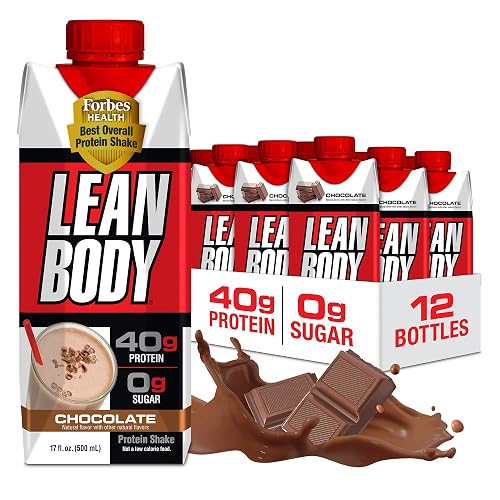
Labrada Lean Body Ready-to-Drink Chocolate Protein Shake, 40g Protein, Whey Blend, 0 Sugar, Gluten Free, 22 Vitamins & Minerals, LABRADA, 17 Fl Oz (Pack of 12)
Key specs
- Protein: 40g per bottle, as stated in the listing name
- Sugar: 0g, as stated in the listing name
- Protein source: whey blend, as stated in the listing name
- Gluten free, as stated in the listing name
- Fortified with 22 vitamins and minerals, as stated in the listing name
- Pack size: 12 bottles, 17 fl oz each
Pros
- High protein with no added sugar
- Vitamin and mineral fortification adds nutritional coverage
- Gluten free labeling suits those avoiding gluten
Cons
- Zero sugar formulas are sometimes described by owners as having a sweetener aftertaste
- Larger bottle size means more volume to finish once opened
Protein2o Hydration Drink, Flavor Fusion Variety Pack
This is a lighter, clear-liquid option for people who find milk-based shakes too heavy after training. It also suits those who want hydration and electrolytes alongside protein.

Protein2o Hydration Drink – 2-in-1 Liquid Clear Whey Protein Isolate and Electrolyte Drink – 15g Protein, Vitamins B5, B6 – Post-Workout Recovery – 16.9 Fl Oz – 12 Count Flavor Fusion Variety Pack
Key specs
- Protein: 15g per bottle, as stated in the listing name
- Protein source: whey protein isolate, as stated in the listing name
- Includes electrolytes and vitamins B5 and B6, as stated in the listing name
- Format: clear liquid, 16.9 fl oz bottles
- Pack size: 12 count, variety pack
Pros
- Clear, lighter drink that many people find easier to drink after hard sessions
- Whey isolate base is lower in lactose than many dairy shakes
- Variety pack lets you compare flavors before committing to one
Cons
- 15g protein per bottle is lower than the other picks, so higher targets need more servings
- Clear drinks have a different texture from shakes, which some buyers dislike
Buying Guide
Choosing among protein drinks for muscle recovery is easier when you start from your own targets rather than from marketing language. The main criteria are protein per serving, added sugar, format, carbohydrate and calorie content, and how the drink fits your daily plan.
Selection criteria
Start with the protein number on the label and compare it per fluid ounce as well as per bottle. A 40g bottle and a 26g bottle differ by 14g of protein, which is roughly the amount in a moderate serving of lean meat. Next, check total sugar, since some recovery drinks add sugar for taste. Finally, consider format: shelf-stable bottles travel well, while refrigerated milk-based shakes often taste closer to a meal.
Important features to check
- Protein per serving, stated on the front panel and in the nutrition facts
- Sugar and added sweeteners, especially if you are tracking intake
- Protein source, such as whey, whey isolate, or milk protein, which affects texture and lactose content
- Fiber and fortification, which can add value or cause digestive discomfort depending on the person
- Serving size and pack count, which determine cost per use without requiring any price comparison here
Specs to check on the label
- Protein grams per bottle
- Total sugar grams per bottle
- Calories per bottle
- Allergen statement, including dairy, soy and gluten
- Storage instructions, such as refrigeration after opening
Choosing by need
If you have a high daily protein target and train heavily, a higher-protein bottle reduces the number of servings you need. If you want a snack that fits between meals, a moderate-protein shelf-stable drink may be more practical. People monitoring sugar closely should look at the zero-sugar and low-sugar options, while those who prefer a lighter drink after training may find clear-liquid products more comfortable.
Things to watch out for
- Protein drinks supplement a diet and do not replace whole foods entirely
- Some people experience bloating or discomfort from lactose or added fiber
- Check expiration dates and storage notes, especially for refrigerated products
- Sweeteners can cause aftertaste differences that some people dislike
Research on post-exercise nutrition, including the role of meal timing, is covered in The Role of Meal Timing in Muscle Recovery After Workouts. For a broader overview of how the body uses dietary protein, see What Is Protein and How Does Your Body Use It? and Fitness Nutrition Basics: Protein, Carbs, Fat and Hydration. If you are considering a supplement, speak with a doctor or registered dietitian, especially if you have kidney disease, a dairy or gluten allergy, or take medications.
FAQ
How much protein should a recovery drink contain?
Many sports nutrition guidelines suggest that a post-workout serving of around 20 to 40 grams of protein can support muscle protein synthesis for most adults, though individual needs vary with body size, training volume and overall diet. The best amount for you depends on your total daily protein target. A consultation with a registered dietitian can help you set that target.
Should I drink a protein shake right after training?
Timing matters less than total daily intake for most people, according to much of the current research. A shake after training is convenient and can help you reach your daily target, but eating protein at other points in the day is also effective. See The Role of Meal Timing in Muscle Recovery After Workouts for a deeper look at timing evidence.
Are shelf-stable protein drinks as effective as refrigerated ones?
Protein content, not storage method, is the main factor in how a drink supports protein intake. Shelf-stable and refrigerated options can deliver similar amounts of protein. The difference is mainly in texture, taste and convenience.
Can protein drinks cause digestive problems?
Some people experience bloating, gas or discomfort, particularly with milk-based products containing lactose or with added fiber. If you notice these symptoms, try a lactose-free or whey isolate option, or reduce the serving size. Persistent symptoms should be reviewed with a healthcare professional.
Do I need a protein drink if I eat enough protein from food?
No. A protein drink is optional. If your meals already provide your daily target, a shake adds little benefit beyond convenience. Protein drinks are most useful when meals are inconsistent or when a precise dose is needed.
What is the difference between whey and whey isolate in recovery drinks?
Whey concentrate contains more lactose and fat than whey isolate, which is more highly filtered. Isolate typically has higher protein by weight and lower lactose, which may suit people with sensitivities. Both are complete proteins containing all essential amino acids.
How long after a workout should I drink a protein shake?
There is no single required window. Many people drink a shake within a few hours of training because it fits their schedule. The most important factor is consistently reaching your daily protein intake across meals and snacks.
Conclusion
Protein drinks for muscle recovery are a convenient way to add protein to your day, and the best choice depends on your targets and preferences. The Core Power Fairlife Elite 42g suits those who want the highest protein per bottle. The Core Power Fairlife 26g fits everyday moderate-protein needs. The Oikos Protein Shake works well for shelf-stable, low-sugar convenience. The Labrada Lean Body shake suits people counting sugar who want added vitamins and minerals. The Protein2o Hydration Drink is a lighter, clear-liquid option for those who prefer it after hard sessions. Review the labels, match the protein and sugar numbers to your plan, and consult a healthcare professional if you have medical conditions or dietary restrictions.