
 By Miles Sinclair
Updated November 2026
Choosing the most healthy protein powder is harder than it looks. Labels can be crowded with claims like “clean,” “natural,” and “superfood,” and the same scoop can mean very different things depending on the protein source, added sugar, and how much filler sits in the tub. This guide compares seven products on criteria that matter for everyday nutrition: a short ingredient list, the protein-to-calorie ratio, added sugar, third-party certifications, and the protein source’s fit with different diets. Everything here is based on manufacturer specifications, brand reputation, and patterns in owner feedback. We have not tested these products ourselves.
Our top picks at a glance
- 1
 TOP CHOICEBest overallNAKED Whey 2LB 100% Grass Fed Whey Protein PowderView on Amazon
- 2
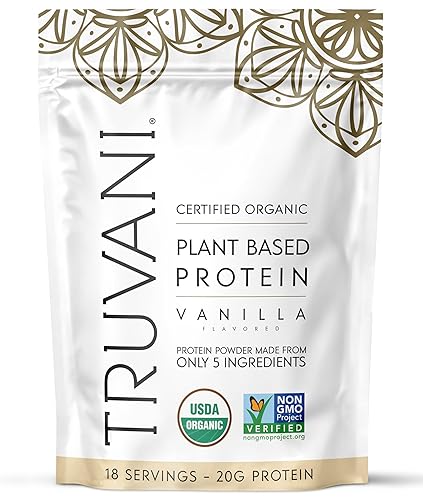 TOP CHOICEBest for plant-based eaters on a keto or low-carb planTruvani Organic Plant Based Protein PowderView on Amazon
- 3
 TOP CHOICEBest for high protein per scoopOptimum Nutrition Gold Standard Whey ProteinView on Amazon
- 4
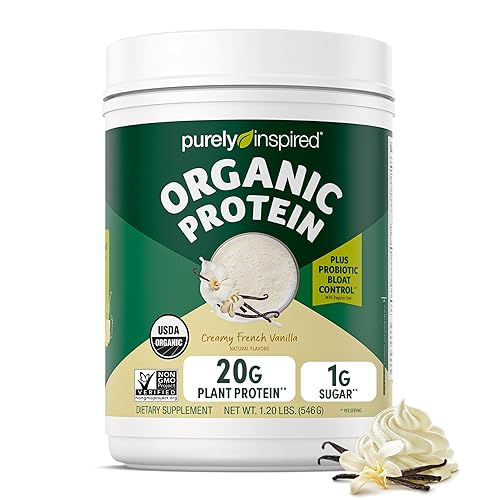 Best for smoothies with a pea basePurely Inspired Plant-Based Protein PowderView on Amazon
- 5
 Best for added nutrientsOrgain Organic Vegan 21g Protein + Superfoods PowderView on Amazon
- 6
 Best for minimal ingredientsRaw Grass Fed Whey Protein Powder, UnflavoredView on Amazon
- 7
 Best for a blended vegan formulaSunwarrior Organic Plant Based Protein PowderView on Amazon
Our Top Picks
| Product | Best for | Key feature |
|---|---|---|
| NAKED Whey 2LB 100% Grass Fed Whey Protein Powder | Whey users who want one ingredient | Unflavored, single ingredient, NSF Certified |
| Truvani Organic Plant Based Protein Powder | Keto and low-carb plant eaters | 20g pea protein, no added sugar |
| Optimum Nutrition Gold Standard Whey Protein | High protein per serving | 24g whey protein per serving, banned substance tested |
| Purely Inspired Plant-Based Protein Powder | Smoothies and shakes | 20g pea protein, vegan and organic |
| Orgain Organic Vegan 21g Protein + Superfoods Powder | Those wanting added greens and fiber | 21g protein, 8g prebiotic fiber, 50 superfoods |
| Raw Grass Fed Whey Protein Powder, Unflavored | Minimal-additive whey buyers | One ingredient, undenatured, made in USA |
| Sunwarrior Organic Plant Based Protein Powder | Vegans wanting amino acids | BCAA-containing hemp and pea blend |
NAKED Whey 2LB 100% Grass Fed Whey Protein Powder
NAKED Whey 2LB 100% Grass Fed Whey Protein Powder – Only 1 Ingredient, Unflavored Whey Protein, NSF Certified, Undenatured, Gluten Free, Soy Free, No GMOs, No Preservatives
Best for: Whey users who want one ingredient
This suits people who prefer a short label and plan to mix protein into their own recipes, coffee, or oatmeal. Because it is unflavored, it avoids added sweeteners and flavor systems.
Key specs
- Single ingredient: 100% grass-fed whey protein
- Unflavored, gluten free, soy free
- Listed as NSF Certified and free of GMOs and preservatives
Pros
- Very short ingredient list
- Works in both sweet and savory recipes
- Third-party certification listed on the label
Cons
- Unflavored taste is not for everyone and usually needs added flavor
- Mixing can be less smooth than blended powders
Bottom line: A strong pick for anyone who wants whey with nothing added and does not mind adding their own flavor.
Truvani Organic Plant Based Protein Powder
Vegan | 20g Pea Protein | Keto | Gluten & Dairy Free | Low Carb | No Added Sugar Truvani Organic Plant Based Protein Powder | Vanilla | 18 Servings
Best for: Keto and low-carb plant eaters
This fits people following a vegan or dairy-free diet who also track carbohydrates and want to avoid added sugar.
Key specs
- 20g pea protein per serving (as listed)
- Vegan, dairy-free, gluten-free, keto-labeled
- No added sugar, vanilla flavor, 18 servings
Pros
- No added sugar keeps the carb count low
- Single plant protein source is easy to digest for many users
- Clear macro-focused labeling
Cons
- Pea protein alone has a lower amino acid profile than whey; some owners mention a thinner texture
- Vanilla flavor leans on sweetening alternatives for taste
Bottom line: A good choice for plant-based eaters who want a low-carb, sugar-free option with a clear protein count.
Optimum Nutrition Gold Standard Whey Protein
24g of 100% Whey Protein Powder Per Serving, with BCAAs, Gluten Free, Banned Substance Tested, Easy Mixing, Muscle Support Optimum Nutrition Gold Standard Whey Protein, Double Rich Chocolate, 2 LB
Best for: High protein per serving
This suits people who want a high-protein whey powder with a long track record and mixes easily in water or milk.
Key specs
- 24g whey protein per serving (as listed)
- Includes BCAAs, gluten free
- Labeled as banned substance tested; double rich chocolate flavor, 2 lb
Pros
- High protein per scoop with a well-known brand
- Banned substance testing listed on the label
- Mixes smoothly and is widely available
Cons
- Contains added sugar and sweeteners as part of the chocolate flavor
- Whey may cause discomfort for those sensitive to dairy
Bottom line: Best for people who prioritize protein density and do not avoid dairy, and who accept some added sweeteners.
Purely Inspired Plant-Based Protein Powder
20g of Pea Protein Powder for Smoothies & Shakes – Vegan & Organic – Dairy-Free & Gluten-Free – For Men & Women (16 Servings) Purely Inspired Plant-Based Protein Powder, Creamy French Vanilla
Best for: Smoothies with a pea base
This is aimed at people who blend protein into fruit smoothies and want a vegan, organic, dairy-free option.
Key specs
- 20g pea protein per serving (as listed)
- Vegan, organic, dairy-free, gluten-free
- Creamy French vanilla flavor, 16 servings
Pros
- Organic and vegan labeling
- Blends well into smoothies
- Single-source pea protein suits many plant-based routines
Cons
- Pea-only formula may be lower in certain amino acids than blended plant proteins
- Some owners note a slightly earthy aftertaste
Bottom line: A practical pick for smoothie drinkers who want an organic, dairy-free pea protein.
Orgain Organic Vegan 21g Protein + Superfoods Powder
Plant based protein, 50 superfoods, 8g prebiotic fiber, gluten free, no added sugar, non-GMO, no lactose ingredients Orgain Organic Vegan 21g Protein + Superfoods Powder, Vanilla Bean, 2.02lb
Best for: Those wanting added greens and fiber
This suits people who want a plant protein that also contributes fiber and a blend of greens and fruits.
Key specs
- 21g protein per serving (as listed)
- 8g prebiotic fiber per serving (as listed)
- Plant-based, gluten free, no added sugar, non-GMO, vanilla bean flavor, 2.02 lb
Pros
- Fiber content adds to daily intake
- Broad superfood blend in one scoop
- No added sugar listed
Cons
- Superfood blends add earthy notes that some find strong
- Fiber can cause bloating if intake rises too quickly
Bottom line: A good option for people who want protein, fiber, and greens in a single serving.
Raw Grass Fed Whey Protein Powder, Unflavored
Raw Grass Fed Whey Protein Powder, Unflavored – 1 Ingredient, No Additives or Fillers, Undenatured, Made in USA, 5 lb
Best for: Minimal-additive whey buyers
This is for people who want undenatured whey with no fillers, usually for cooking, baking, or mixing into plain foods. You may also like Mass Gainer and Protein Powder: Which Should You Choose? (2026).
Key specs
- One ingredient, no additives or fillers (as listed)
- Undenatured whey, made in USA
- Unflavored, 5 lb size
Pros
- Very low additive load
- Large size suits frequent users
- Versatile for baking and cooking
Cons
- Unflavored, so it needs added flavor for shakes
- Large tub may take time to use before freshness becomes a concern
Bottom line: Ideal for home cooks and bakers who want plain whey in bulk.
Sunwarrior Organic Plant Based Protein Powder
Vegan Plant Based with BCAA Amino Acids, Hemp Seed & Pea Blend | Non-GMO, Soy, Dairy, Filler & Gluten Free Sunwarrior Organic Plant Based Protein Powder 32 Servings, Vanilla Flavored
Best for: Vegans wanting amino acids
This is for vegans who want a blended plant protein with added branched-chain amino acids and no soy or gluten.
Key specs
- Hemp seed and pea protein blend
- Includes BCAA amino acids; non-GMO, soy, dairy, and gluten free
- Vanilla flavor, 32 servings
Pros
- Blended protein sources broaden the amino acid profile
- Allergen-free labeling for soy, dairy, and gluten
- Large serving count
Cons
- Hemp can give a slightly grassy taste
- BCAA addition may be unnecessary if total protein intake is already adequate
Bottom line: A solid vegan blend for people who want a complete-leaning plant protein without common allergens.
Buying Guide
Protein source and quality
Whey, pea, hemp, and blends each differ in amino acid makeup and digestibility. Whey tends to contain a high leucine share, while single-source plant proteins often need blending for a fuller profile. Check the label for protein per serving and the source named.
Good picks for this: NAKED Whey 2LB; Sunwarrior Organic Plant Based Protein Powder
Added sugar and sweeteners
Many flavored powders contain added sugar, sugar alcohols, or sucralose. Compare grams of sugar per serving and look for “no added sugar” claims when limiting intake. Unflavored options contain none by default.
Good picks for this: Truvani Organic Plant Based Protein Powder; Raw Grass Fed Whey Protein Powder, Unflavored
Ingredient list length
Shorter lists generally mean fewer fillers, gums, and thickeners. A one-ingredient powder gives you control over what goes into the drink. Longer lists are not automatically unhealthy, but read them for allergens and additives you prefer to avoid.
Good picks for this: NAKED Whey 2LB; Raw Grass Fed Whey Protein Powder, Unflavored
Third-party testing and certifications
Certifications such as NSF Certified and banned substance testing indicate outside verification of label claims. These do not measure nutrition quality, but they add a layer of accountability. Look for the certifying body named on the label.
Good picks for this: Optimum Nutrition Gold Standard Whey Protein; NAKED Whey 2LB
Fiber and added nutrients
Some plant powders include fiber or superfood blends. Fiber per serving can help with daily intake, but increase gradually to limit gas or bloating. Added greens may add flavor and micronutrients, though they do not replace whole vegetables.
Good picks for this: Orgain Organic Vegan 21g Protein + Superfoods Powder; Purely Inspired Plant-Based Protein Powder
Dietary fit and allergens
Check for dairy, soy, gluten, and nut cross-contact statements if you have sensitivities. Vegan and organic labels address sourcing, not allergen-free status for everyone. Plant blends often avoid dairy but may still list other allergens. For another angle, check out Isopure No Carb Protein Powder (2026): Which Should You Choose?.
Good picks for this: Sunwarrior Organic Plant Based Protein Powder; Truvani Organic Plant Based Protein Powder
Size, servings, and storage
Calculate cost-per-serving by reading servings per container, not by the tub size alone. Keep tubs sealed, in a cool dry place, and check the best-by date. Larger tubs can take longer to finish, so match size to how often you will use the product.
Good picks for this: Raw Grass Fed Whey Protein Powder, Unflavored; Sunwarrior Organic Plant Based Protein Powder
FAQ
Is whey or plant protein more healthy?
Neither is automatically healthier. Whey offers a high protein density and a complete amino acid profile, while plant proteins suit vegan diets and may include fiber. The better choice depends on your diet, digestion, and whether the product has added sugar. For a deeper comparison, see Are Protein Powder Healthy? Whey vs Plant Protein (2026).
Does unflavored protein powder have fewer additives?
Usually yes. Unflavored powders typically contain only the protein source, with no sweeteners or flavor systems. That makes them useful if you want to control what goes into your drink.
How much protein should I look for per serving?
Many powders provide between about 15 and 25 grams per serving. Your needs depend on body size, activity, and overall diet. Consult a registered dietitian or physician if you have kidney, liver, or other medical conditions before increasing protein intake.
Can protein powder cause bloating or constipation?
Some people experience digestive changes, especially with lactose in whey concentrates or added fiber in plant blends. Starting with a smaller serving and increasing gradually can help. For more on this, see Will Protein Powder Cause Constipation? Causes and Fixes.
Does a no-added-sugar label mean the powder is low calorie?
Not necessarily. Protein, fats, and carbohydrates from the protein source still contribute calories. “No added sugar” only means no sugar was added during processing, not that the product is low in total carbohydrates.
Are third-party certifications important?
They provide independent verification of certain claims, such as banned substance screening or contaminant limits. They do not guarantee nutritional benefit, so use them as one factor among several.
Should I check the expiration date on protein powder?
Yes. Protein powders can lose quality over time, especially after opening and in humid conditions. Store them sealed, away from heat, and follow the date on the container. For more detail, see Whey vs Plant Protein Powder: Can Protein Powder Go Bad? (2026).
Conclusion
The most healthy protein powder for you depends on your diet, digestion, and goals. For a short ingredient list with whey, NAKED Whey 2LB or Raw Grass Fed Whey Protein Powder fit well. For plant-based low-carb eating, Truvani Organic Plant Based Protein Powder is a practical choice. For high protein per serving with testing listed, Optimum Nutrition Gold Standard Whey Protein stands out. Smoothie drinkers may prefer Purely Inspired, while those wanting added fiber and greens can consider Orgain. Vegans seeking a blended amino acid profile can look at Sunwarrior. Read labels, compare sugar and protein per serving, and consult a professional if you have health conditions.
For related reading, see Most Healthy Protein Powder (2026): Which Should You Choose? and Whey vs Casein: Which Is the Best Muscle Growth Protein Powder (2026)?.
Sources
- Research summaries on dietary protein intake, amino acid profiles, and recommended daily allowances (nih.gov)
- Labeling requirements for dietary supplements and nutrition facts panels (fda.gov)
- Third-party certification standards and what NSF Certified means on a label (nsf.org)
Related reading
- Why Does Protein Powder Low Carb Matter? Labels, Causes and Fixes
- Whey vs Plant Protein: Can Protein Powder Go Out of Date? (2026)
About Miles Sinclair
Miles Sinclair is part of our editorial team and reviews and edits our fitness science explainers guides, checking product details against manufacturer specifications and owner feedback.
